 14 Aug, 2026
1058Views
14 Aug, 2026
1058Views Choosing the right flooring is one of the most important decisions when designing or renovating a home. Flooring affects aesthetics, comfort, maintenance costs, and even property value. Among today's most popular options, the debate around SPC Flooring vs Carpet has become increasingly common.
While carpet has been a traditional favorite for its softness and warmth, SPC flooring has emerged as a modern solution offering durability, waterproof performance, and lower maintenance. But which one provides better long-term value?
Let's compare both flooring options in detail.
What is SPC Flooring?
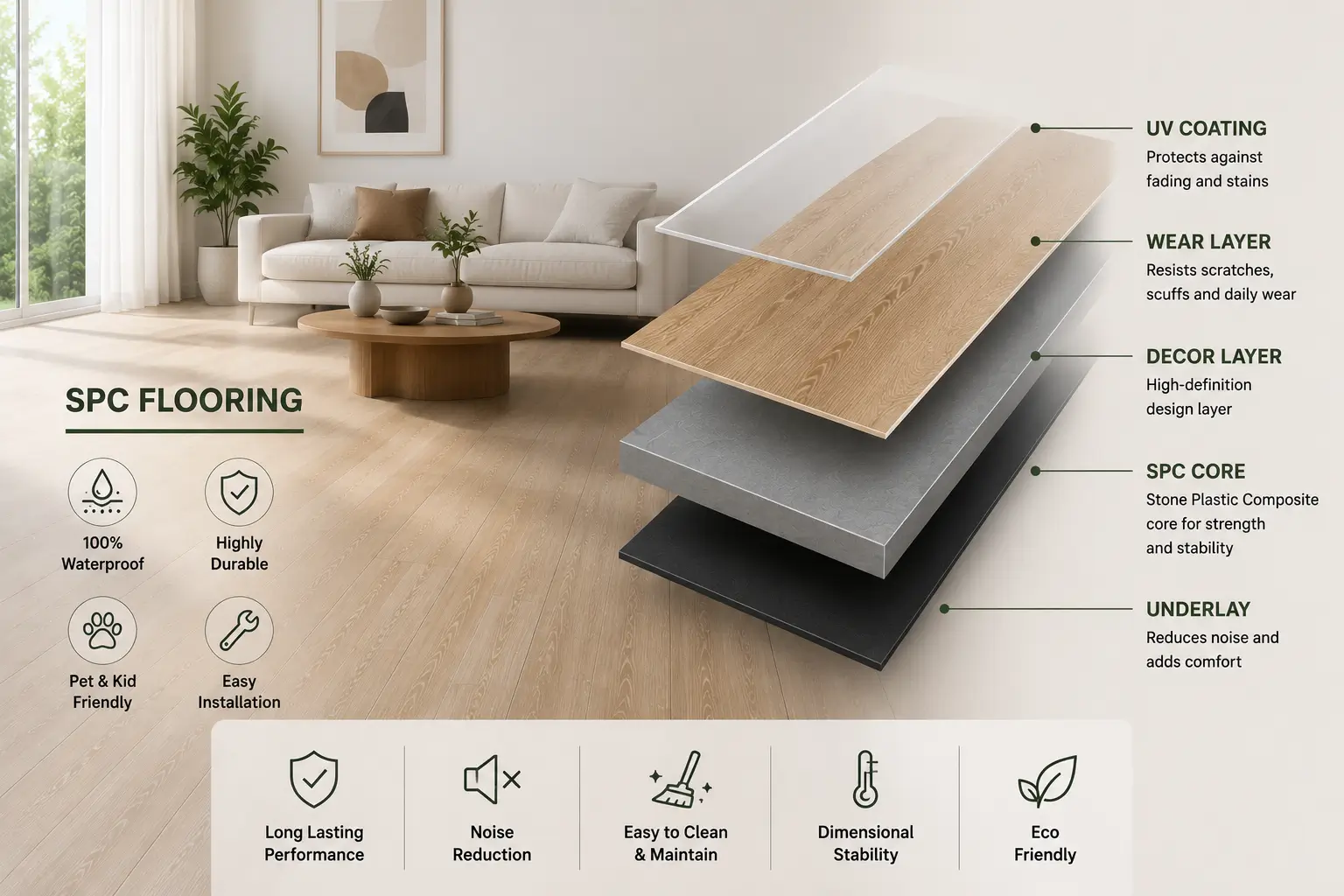
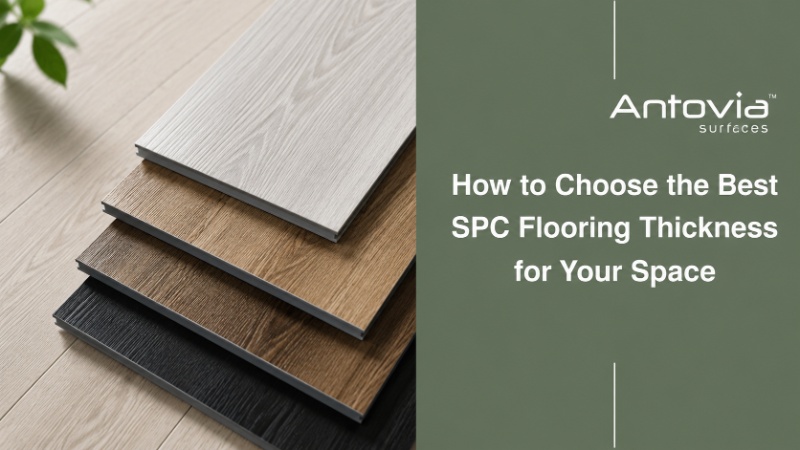
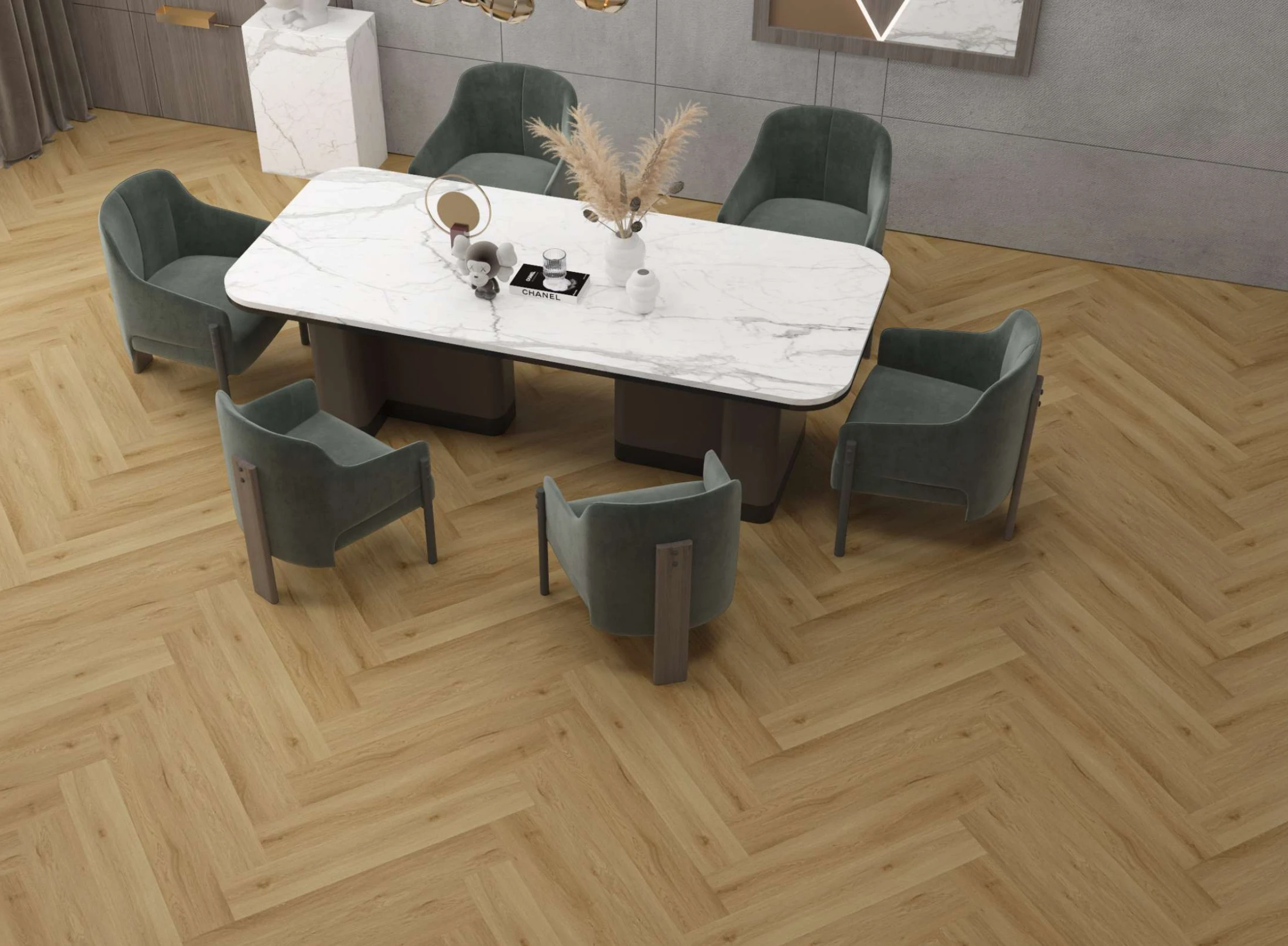
SPC (Stone Plastic Composite) flooring is a rigid core luxury vinyl flooring made from limestone powder, stabilizers, and PVC. It is designed to provide exceptional strength, water resistance, and dimensional stability.
Key features of SPC Flooring include:
- 100% waterproof construction
- Scratch and dent resistance
- Easy click-lock installation
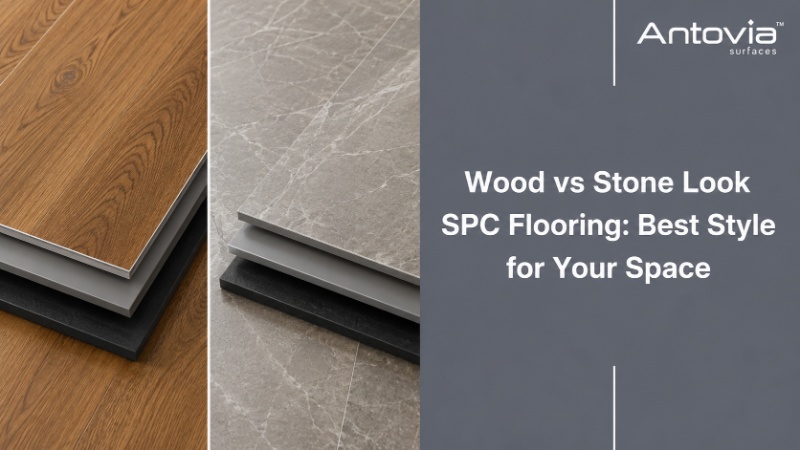
- Wide range of wood and stone finishes
- Low maintenance requirements
Because of these advantages, SPC flooring has become increasingly popular in homes, offices, retail stores, and commercial projects.
What is Carpet Flooring?
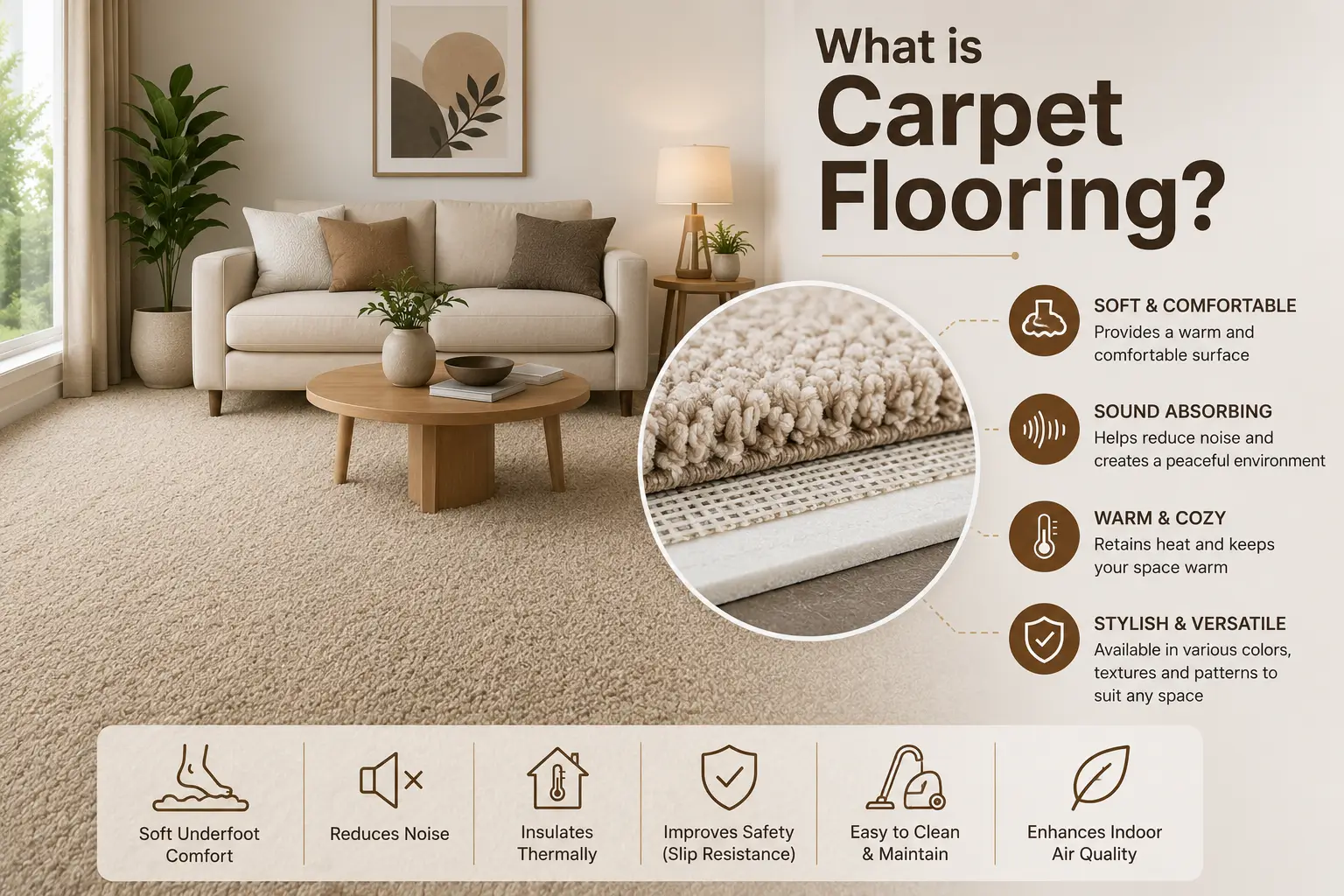
Carpet flooring consists of fibers such as nylon, polyester, wool, or polypropylene attached to a backing material. It provides a soft and warm surface underfoot, making it a preferred choice for bedrooms and cozy living areas.
Carpet offers benefits such as:
- Comfortable walking experience
- Sound insulation
- Warm appearance
- Variety of textures and colors
However, carpets also require regular cleaning and may show signs of wear faster in high-traffic areas.
SPC Flooring vs Carpet: Quick Comparison
| Feature | SPC Flooring | Carpet |
|---|---|---|
| Lifespan | 15–25 Years | 5–15 Years |
| Water Resistance | Excellent | Poor |
| Maintenance | Low | High |
| Stain Resistance | High | Moderate |
| Comfort | Moderate | Excellent |
| Allergens | Low | Higher |
| Suitable for Pets | Excellent | Moderate |
| Long-Term Value | High | Moderate |
Which Flooring Lasts Longer?
Durability plays a major role when evaluating long-term value.
SPC flooring is designed to withstand heavy foot traffic, furniture movement, and daily wear. Its protective wear layer prevents scratches and dents, making it ideal for busy households and commercial environments.
Carpets, on the other hand, tend to flatten, fade, and stain over time. High-traffic zones often require replacement much earlier than expected.
Winner: SPC Flooring
Its significantly longer lifespan makes it a better long-term investment.
Which Flooring Requires Less Maintenance?
One of the biggest differences in the SPC Flooring vs Carpet comparison is maintenance.
Carpet Maintenance Challenges
Carpets require:
- Frequent vacuuming
- Professional deep cleaning
- Immediate stain treatment
- Odor management
- Replacement of damaged sections
Dust, pet hair, and allergens can also become trapped within carpet fibers.
SPC Flooring Maintenance Benefits
SPC flooring only requires:
- Regular sweeping
- Occasional mopping
- Minimal cleaning products
Because it does not absorb dirt or moisture, maintenance costs remain considerably lower over time.
Winner: SPC Flooring
Lower maintenance requirements translate into lower lifetime expenses.
Which Flooring Handles Moisture Better?
Moisture resistance is another important consideration.
Carpet absorbs water easily, which can lead to:
- Mold growth
- Mildew formation
- Bad odors
- Permanent staining
This makes carpet unsuitable for kitchens, basements, and humid climates.
SPC flooring is completely waterproof and performs exceptionally well in moisture-prone environments.
Winner: SPC Flooring
For households seeking durability and peace of mind, SPC flooring offers clear advantages.
Which Option Provides Better Comfort?
Carpets have traditionally been known for comfort.
Its soft surface feels warm during winter and creates a cozy atmosphere in bedrooms and family rooms.
SPC flooring, while harder underfoot, has improved significantly. Modern underlays provide better sound insulation and walking comfort than earlier rigid flooring products.
Winner: Carpet
If softness and warmth are your primary concerns, carpet remains a strong option.
Is SPC Flooring Better for Indoor Air Quality?
Many homeowners today are becoming increasingly concerned about indoor air quality.
Carpets can trap:
- Dust particles
- Pet dander
- Pollen
- Allergens
These particles may affect individuals with allergies or respiratory sensitivities.
SPC flooring provides a smooth, easy-to-clean surface that does not retain allergens in the same way.
Winner: SPC Flooring
For healthier indoor environments, hard surface flooring generally performs better.
Which Flooring Offers Better Design Flexibility?
Both flooring options provide various design possibilities.
Carpets come in numerous colors, textures, and patterns. However, interior trends increasingly favor natural materials and wood-inspired aesthetics.
SPC flooring can replicate:
- Hardwood flooring
- Stone surfaces
- Concrete finishes
- Contemporary textures
Modern manufacturing technologies have made SPC flooring visually appealing while maintaining excellent performance.
Winner: SPC Flooring
Its versatility makes it suitable for both traditional and contemporary interiors.
Which Flooring Offers Better Long-Term Value?
When comparing long-term costs, several factors must be considered:
Carpet Costs
- Lower initial investment
- Higher cleaning expenses
- More frequent replacement cycles
SPC Flooring Costs
- Slightly higher initial investment
- Minimal maintenance expenses
- Longer lifespan
- Better durability
Over a period of 15–20 years, many homeowners replace carpet at least once, while SPC flooring often continues performing effectively.
This significantly reduces overall ownership costs.
Which Flooring is Best for Different Spaces?
Bedrooms
Carpet may be preferred for its warmth and softness.
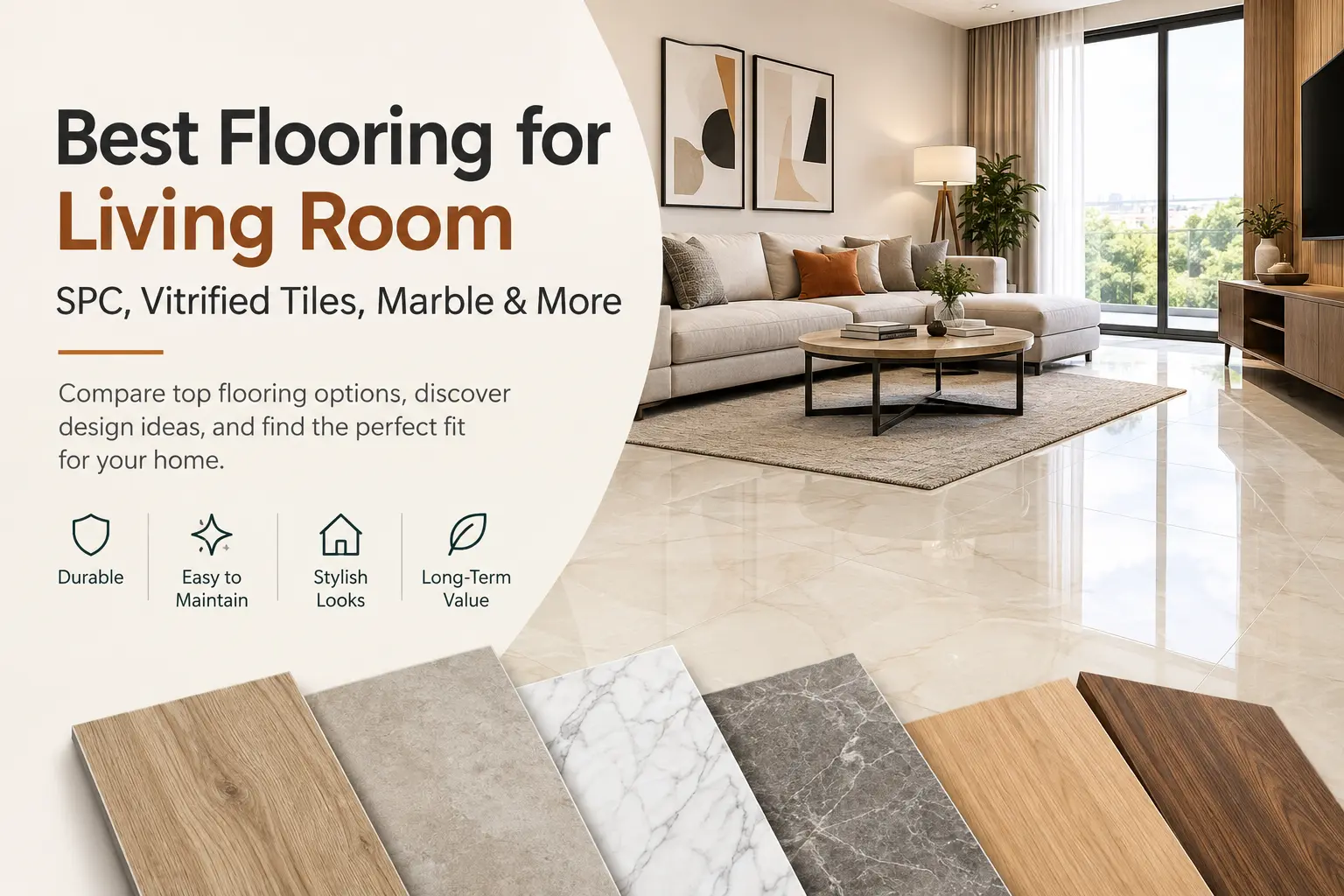
Living Rooms
SPC flooring offers durability and modern aesthetics.
Kitchens
SPC flooring is the better choice due to waterproof properties.
Offices
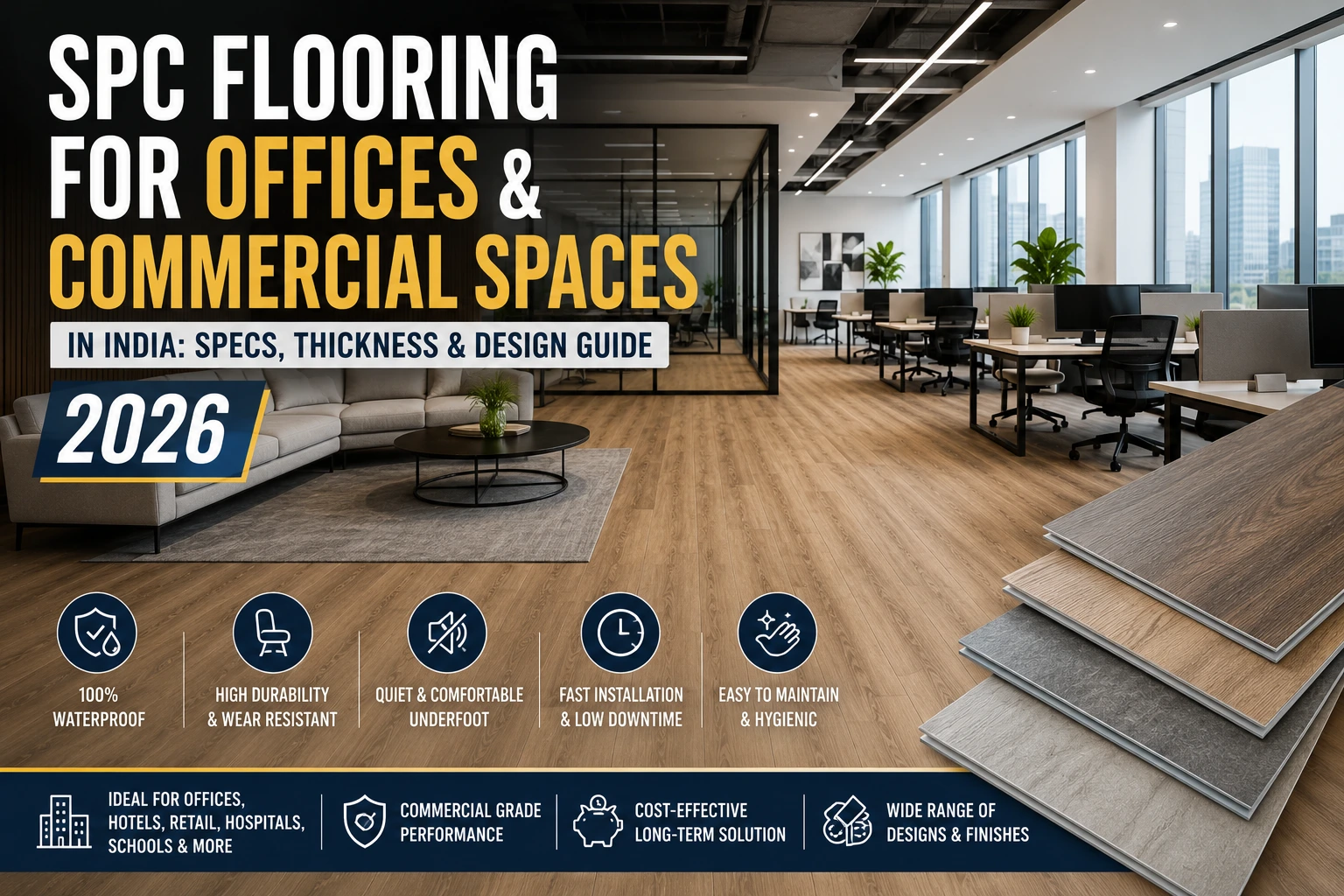
SPC flooring handles heavy foot traffic more effectively.
Rental Properties
Property owners often prefer SPC flooring because of lower maintenance and replacement costs.
Final Verdict: SPC Flooring vs Carpet
The answer largely depends on your priorities.
If your main focus is comfort and warmth, carpet can still be a suitable option for specific areas like bedrooms.
However, if you are seeking durability, moisture resistance, easier maintenance, improved indoor hygiene, and better return on investment, SPC Flooring clearly offers superior long-term value.
For modern homes, commercial spaces, and high-traffic environments, the winner in the SPC Flooring vs Carpet debate is often SPC flooring due to its ability to combine aesthetics, performance, and cost efficiency over many years.
Frequently Asked Questions
1. Is SPC flooring cheaper than carpet in the long run?
Yes. Although installation costs may be slightly higher initially, SPC flooring generally costs less over its lifetime because it requires minimal maintenance and lasts significantly longer.
2. Does SPC flooring increase property value?
Modern buyers increasingly prefer durable and low-maintenance flooring solutions, making SPC flooring an attractive feature for many properties.
3. Is carpet still a good choice for bedrooms?
Yes. Carpet remains a popular option for bedrooms because it provides comfort, warmth, and noise reduction.
4. Can SPC flooring be comfortable?
Yes. With quality underlayment and modern construction technologies, SPC flooring can provide improved comfort and sound absorption.