 11 Jul, 2026
2104Views
11 Jul, 2026
2104Views Europe's flooring market is evolving as buyers increasingly prefer durable, sustainable, and easy-to-maintain flooring solutions. This shift is driving strong demand for Stone Plastic Composite Flooring across residential and commercial projects.
The latest SPC Vinyl Flooring Trends in 2026 reflect changing design preferences, smarter manufacturing, and higher performance standards. This guide explores the key trends, buying considerations, and expert insights shaping the European SPC flooring market.
Why SPC Flooring Trending in Europe
The growing popularity of SPC Vinyl Flooring in Europe is driven by changing construction priorities and evolving consumer expectations. Homeowners, businesses, and developers are looking for Durable SPC Flooring that combines long-lasting performance, modern aesthetics, and low maintenance without compromising on quality.
Several factors are accelerating this demand. Large-scale renovation projects, sustainable building practices, and the need for Waterproof flooring have made Stone Plastic Composite Flooring an attractive choice across the region. Its Rigid Core Flooring construction, advanced Rigid core technology, realistic wood and stone finishes, and Click Lock SPC Flooring systems further enhance installation efficiency and overall performance.
As SPC Flooring Market Trends Europe continues to evolve, buyers are increasingly choosing SPC Flooring and premium Flooring solutions that offer durability, design flexibility, and long-term value for residential, commercial, hospitality, healthcare, and retail projects.
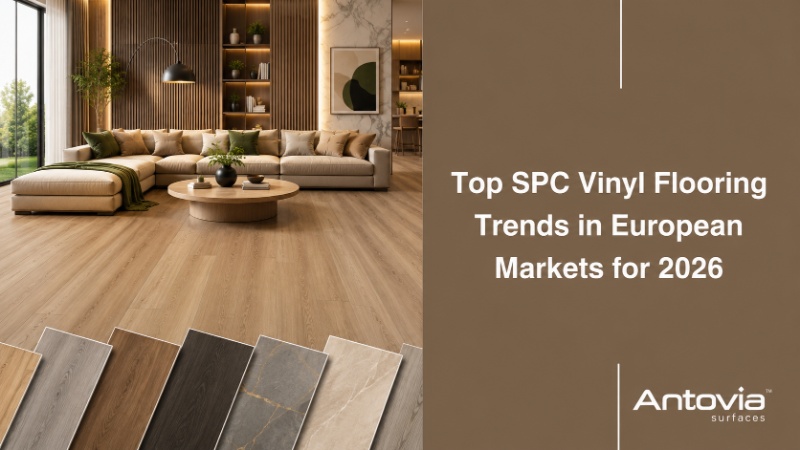
Top SPC Vinyl Flooring Trends in European Markets for 2026
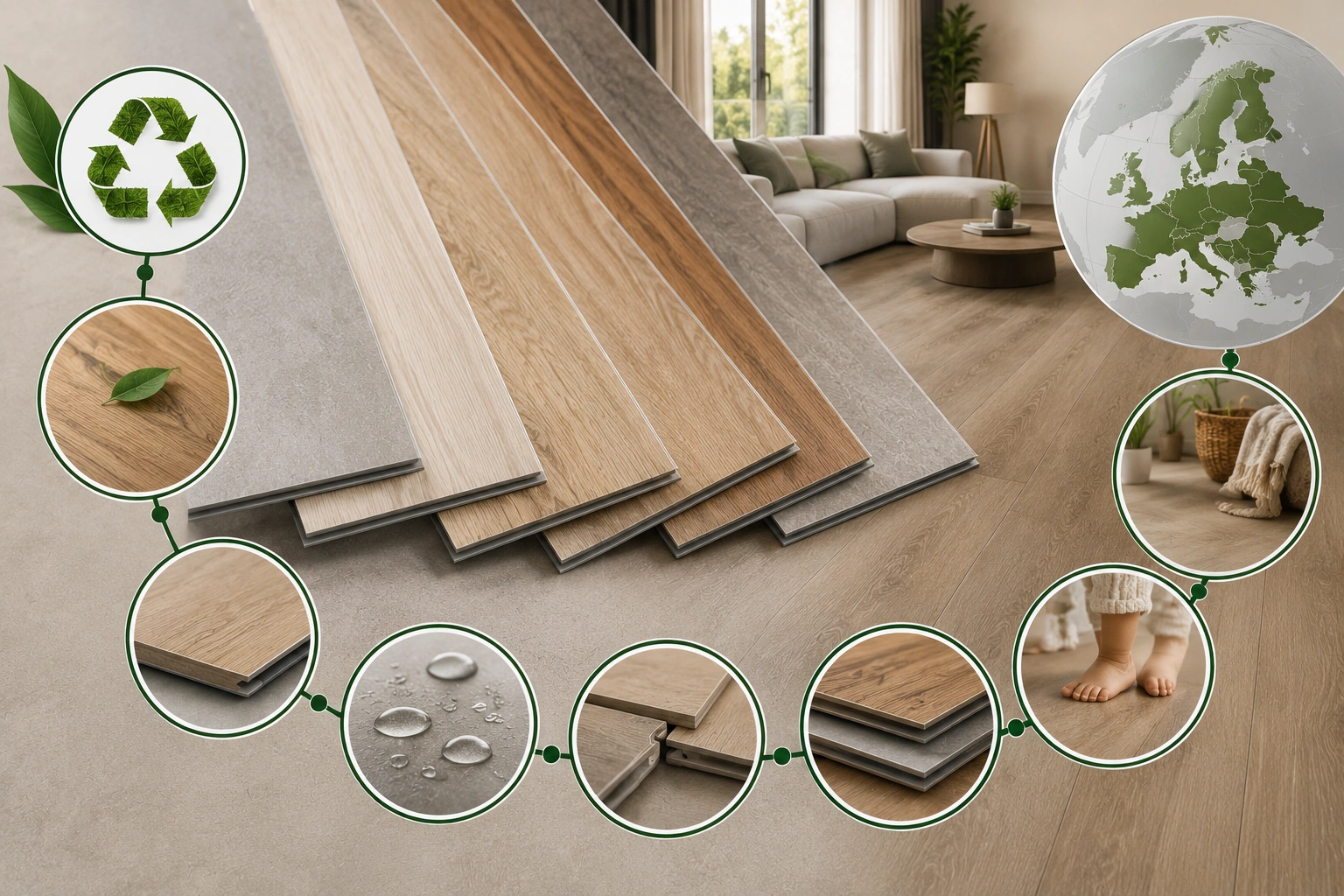
Sustainability Is Driving Product Development
Environmental responsibility is no longer a premium feature, it has become a market expectation.
Manufacturers are increasingly investing in Sustainable SPC flooring produced with recyclable materials, lower VOC emissions, and cleaner manufacturing processes. Buyers are actively seeking products that contribute to green building certifications and align with Europe's environmental regulations.
Natural Designs Continue to Dominate
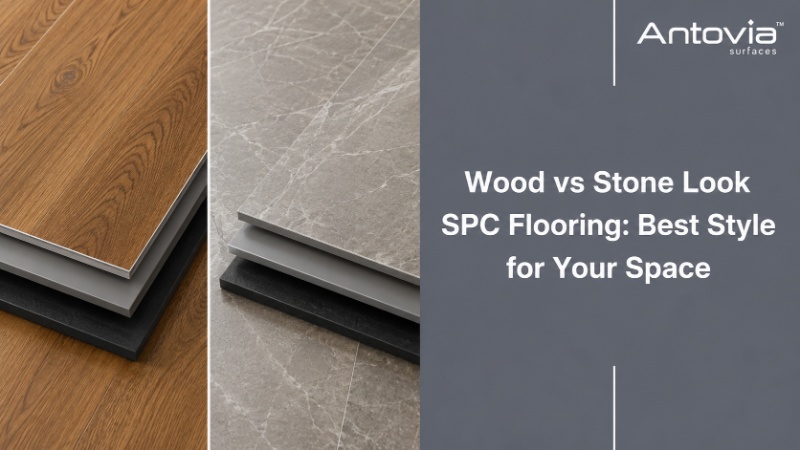
Consumers increasingly prefer flooring that recreates the appearance of natural wood and stone.
Improved digital printing technologies now allow manufacturers to produce highly realistic textures, synchronized embossing, and authentic grain patterns. These innovations have made Luxury SPC Flooring one of the preferred choices for premium residential and hospitality interiors.
Matte Finishes Are Becoming the New Standard
Glossy surfaces are gradually giving way to sophisticated matte finishes.
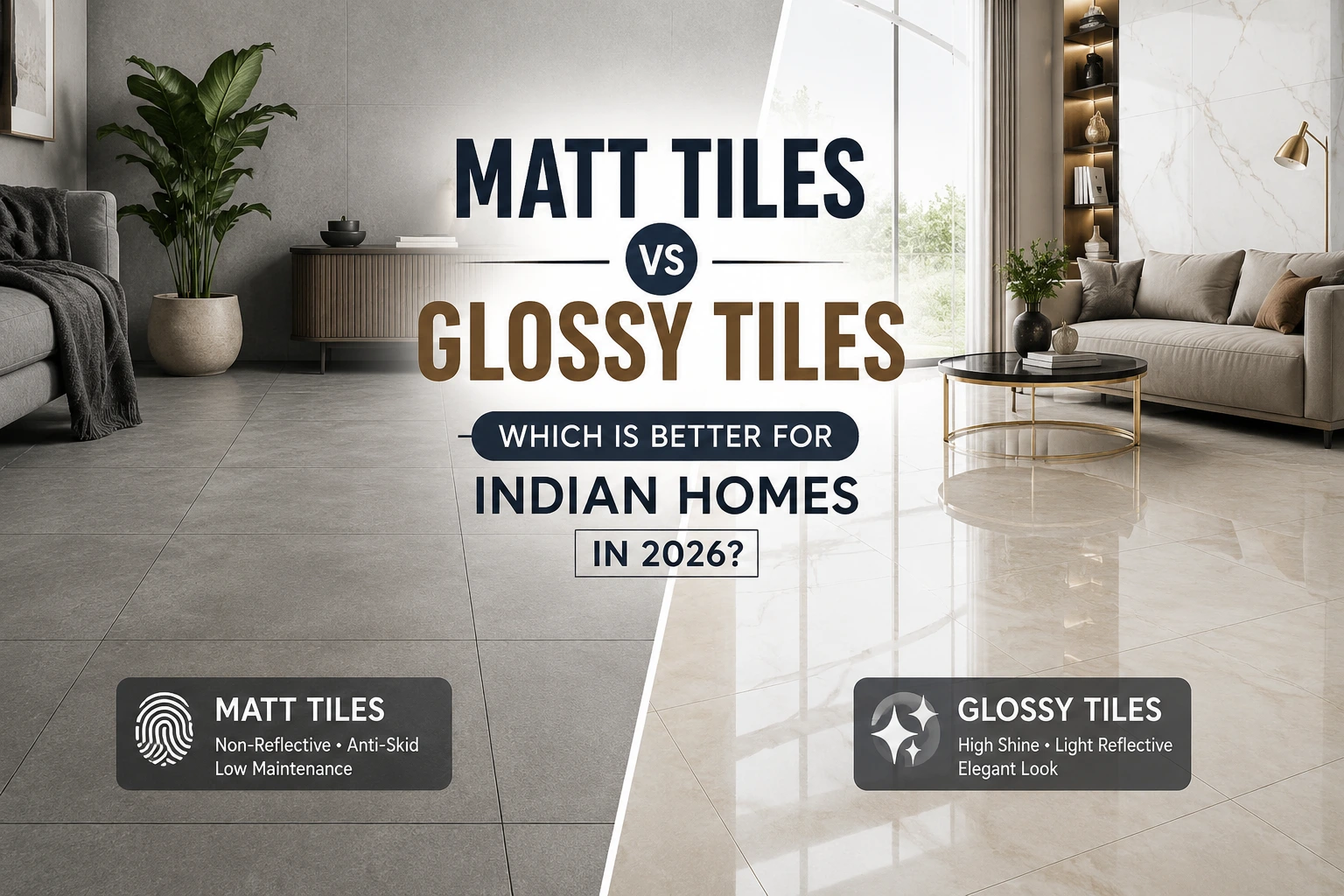
Matte finish flooring provides a contemporary appearance while reducing visible scratches, reflections, and fingerprints. It also complements the minimalist interior styles currently popular across Europe.
Waterproof Flooring Is Expected in Every Space
Modern buyers expect flooring to perform equally well in kitchens, bathrooms, offices, and retail environments.
Demand for Waterproof flooring and Waterproof vinyl plank products continues to increase because they offer long-term reliability in moisture-prone areas without compromising aesthetics.
Click-Lock Installation Is Becoming Essential
Installation efficiency has become an important purchasing factor.
SPC Flooring simplifies installation, reduces labor costs, and minimizes disruption during renovation projects. Advanced click-lock flooring systems also improve plank stability and reduce installation errors.
Thicker SPC Flooring Is Gaining Preference
Commercial buyers are increasingly evaluating SPC thickness before making purchasing decisions.
Thicker boards generally provide improved impact resistance, enhanced acoustic performance, and greater underfoot comfort, making them suitable for premium residential and commercial applications.
Safety and Comfort Continue to Improve
Manufacturers are incorporating anti-slip flooring surfaces and enhanced underlayment systems to improve occupant safety and reduce noise transmission.
These features are becoming increasingly important in schools, healthcare facilities, hotels, and apartment buildings.
SPC Flooring for Different Applications
Different environments require different flooring specifications.
Residential Homes: Focus on comfort, attractive wood textures, moderate wear layers, and easy maintenance.
Luxury Apartments: Premium embossed finishes, acoustic underlayment, and wider plank designs create a high-end appearance.
Hotels: Hotels require flooring that combines luxury aesthetics with excellent wear resistance and simplified maintenance.
Retail Stores: Retail spaces benefit from thicker wear layers capable of handling constant customer traffic while maintaining visual appeal.
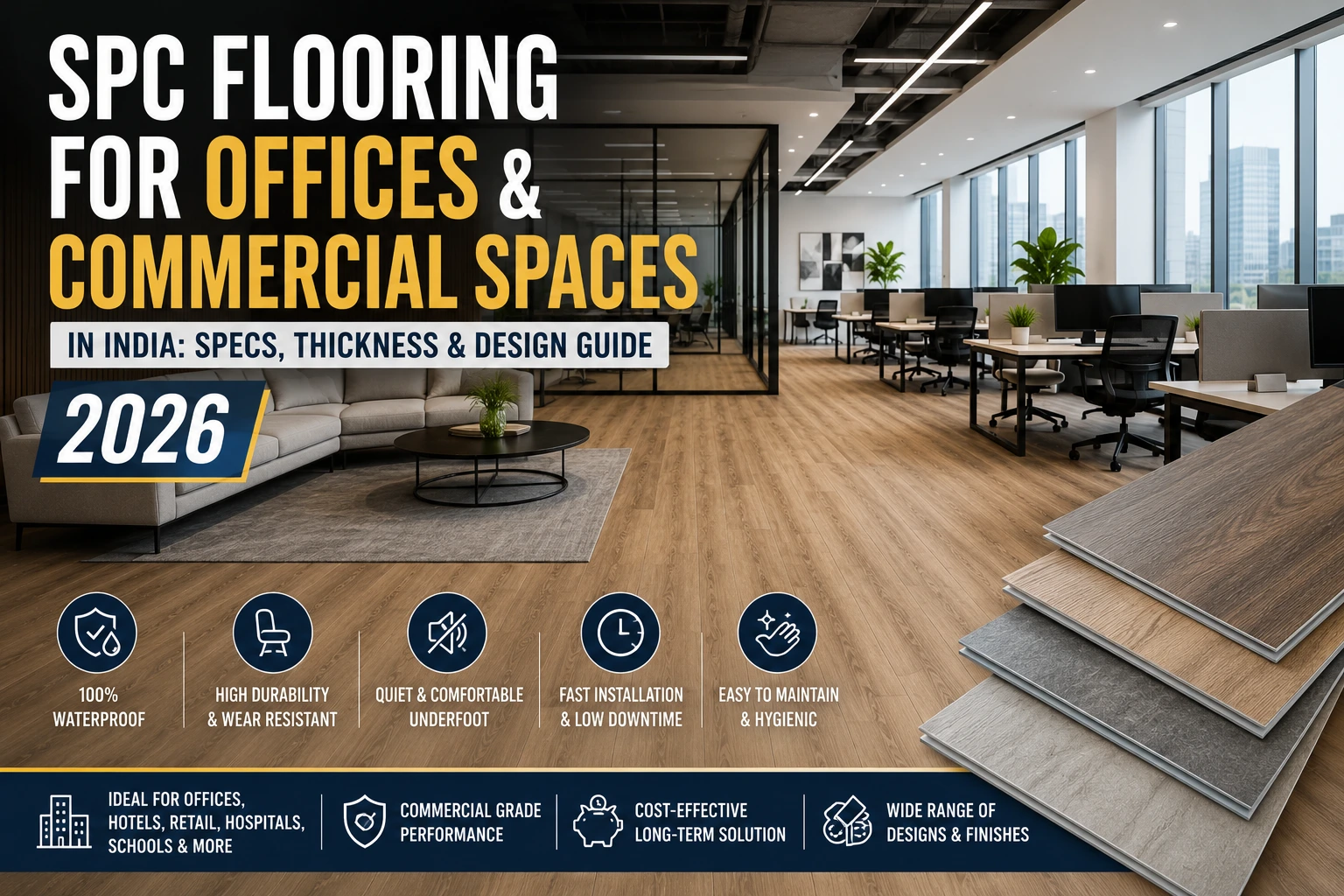
Corporate Offices: Office flooring should provide durability, noise reduction, and professional design suitable for collaborative workspaces.
Schools: Educational facilities require scratch-resistant, anti-slip, and low-maintenance flooring that performs under heavy daily use.
Hospitals: Healthcare environments prioritize hygiene, waterproof performance, stain resistance, and ease of cleaning.
Restaurants: Restaurants require moisture resistance, slip-resistant surfaces, and finishes capable of withstanding frequent cleaning.
SPC Flooring vs Other Flooring Options
Choosing the right flooring often involves comparing available materials.
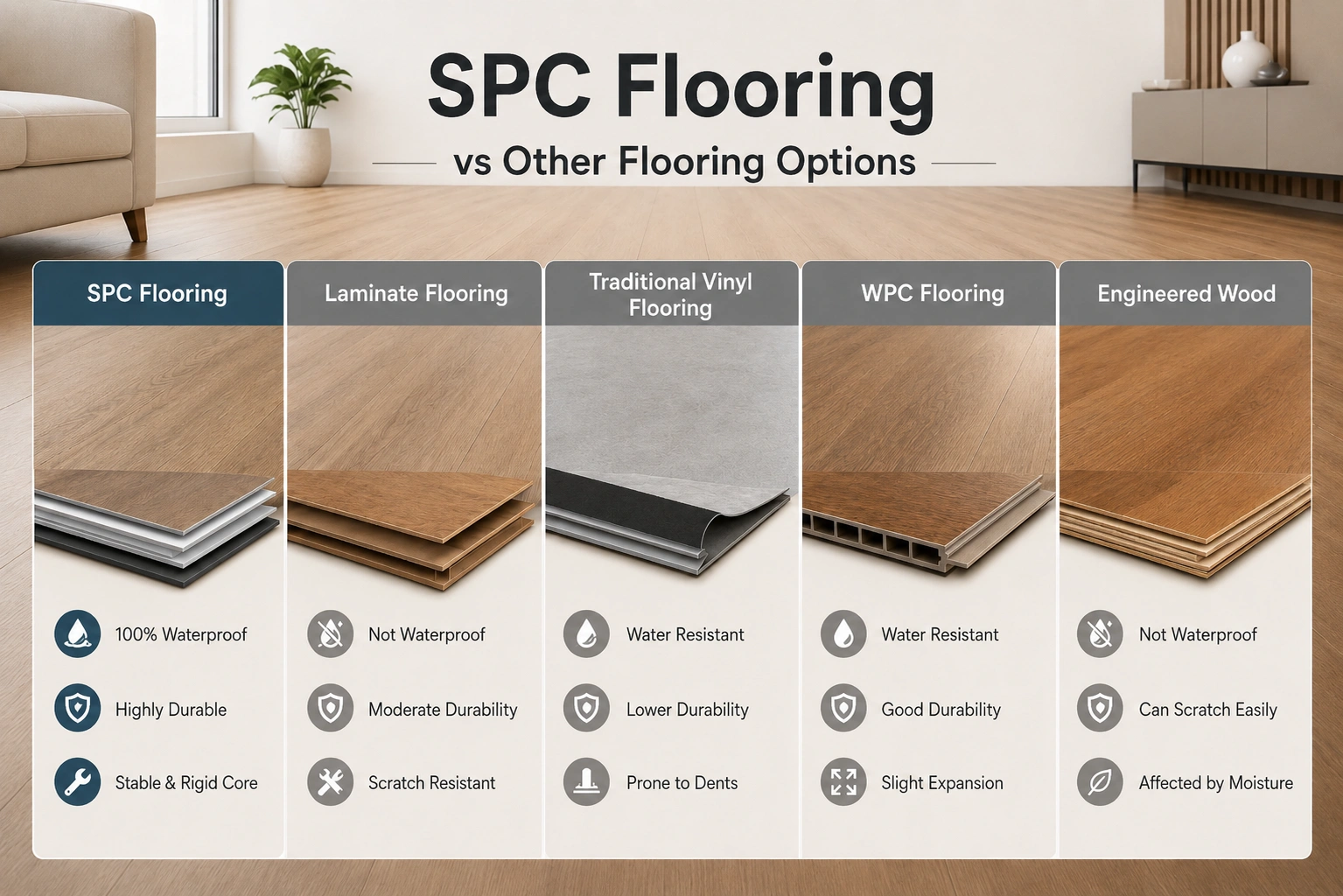
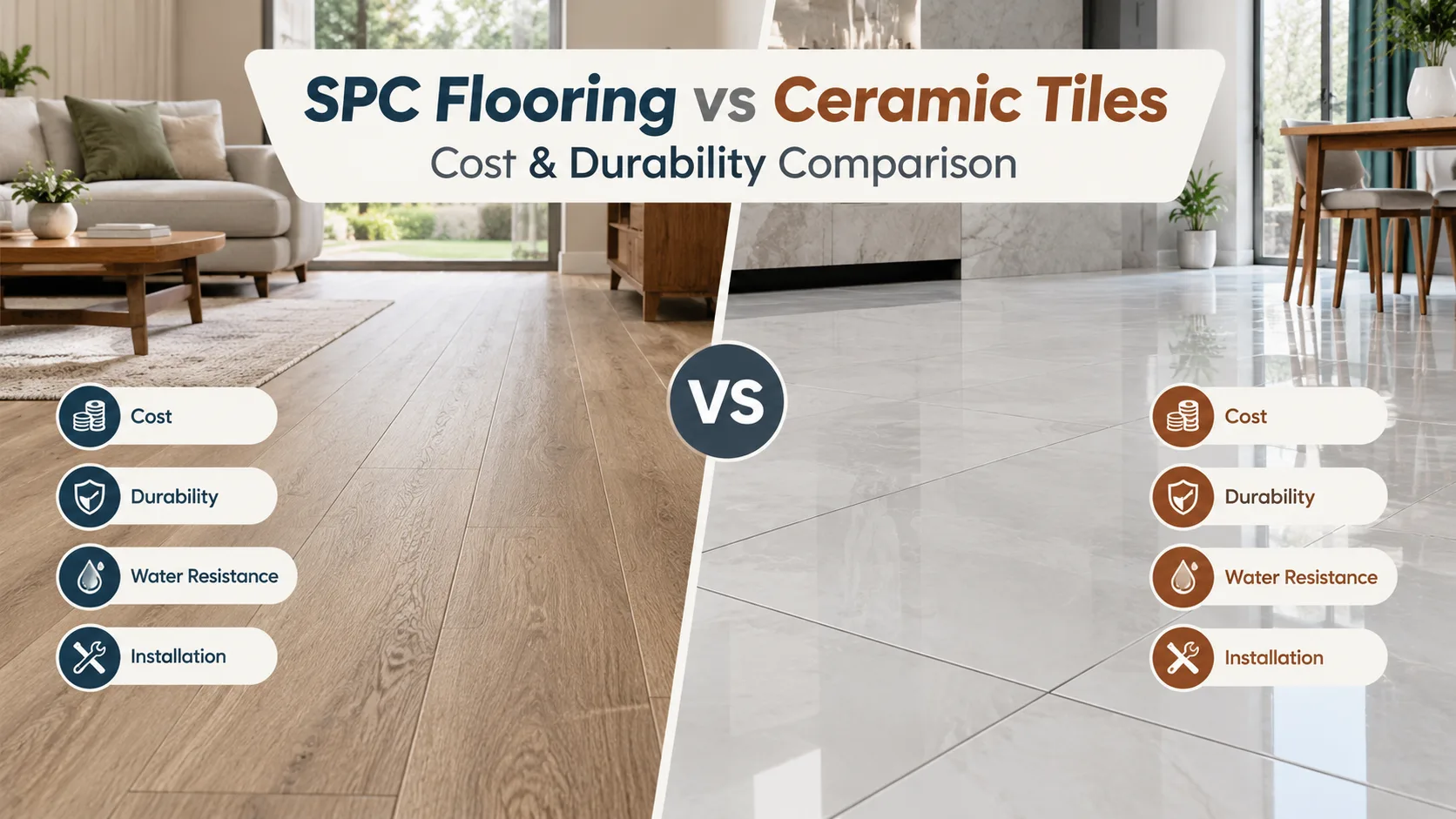
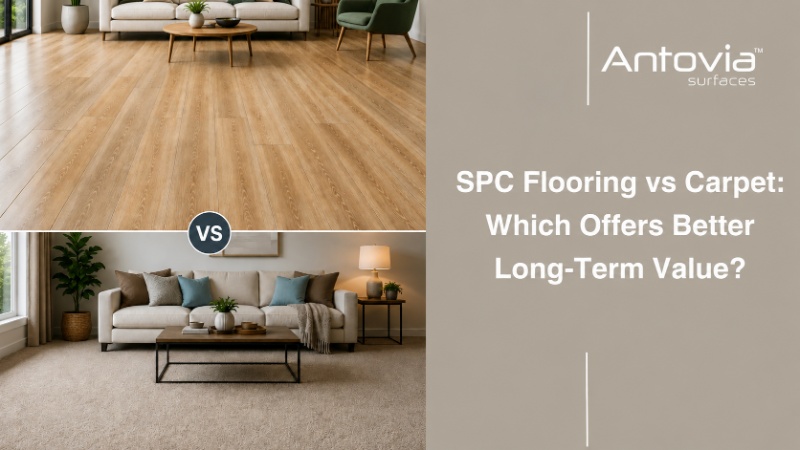
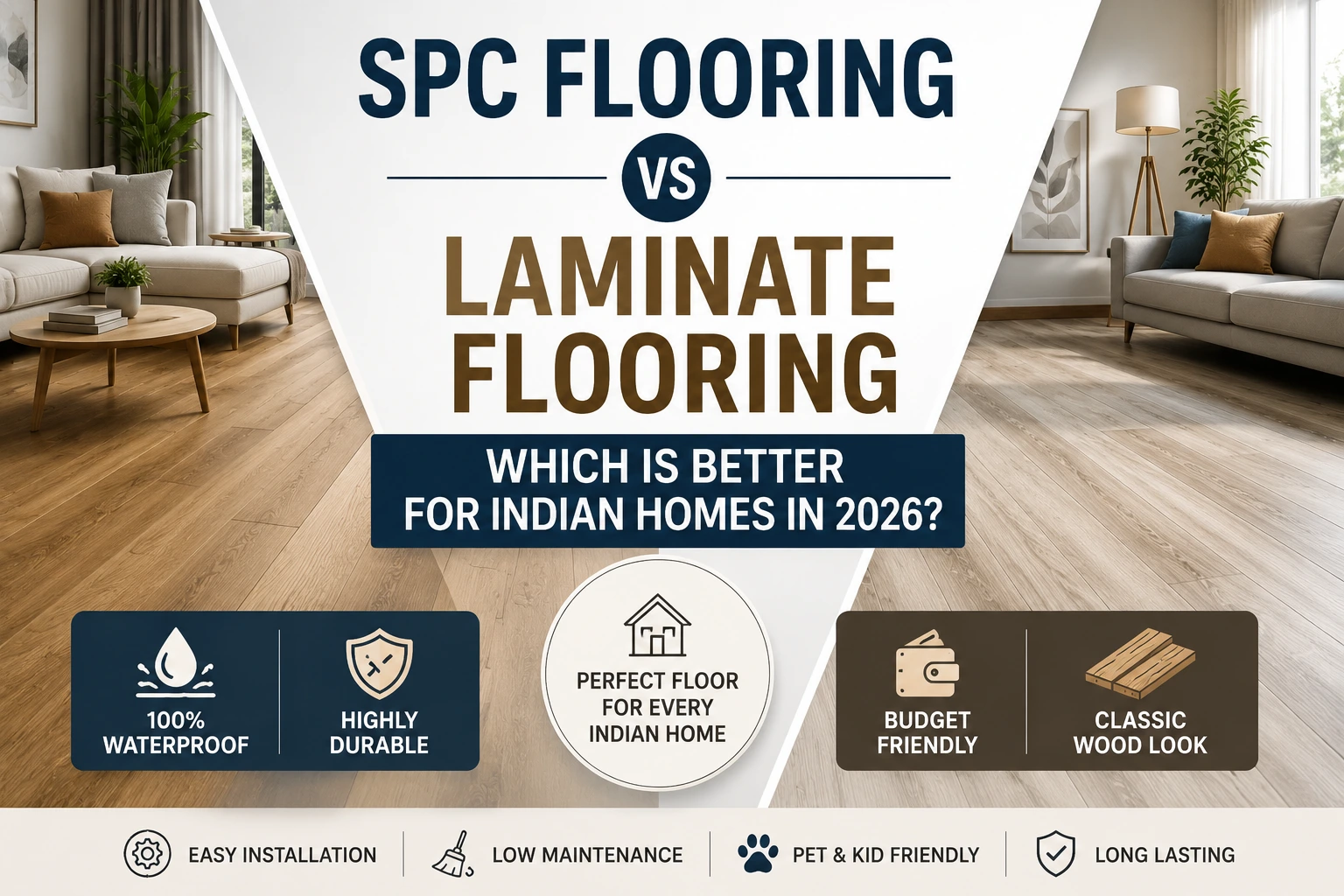
SPC Flooring vs. Laminate Flooring: SPC Flooring offers superior waterproof performance, better dimensional stability, and greater resistance to moisture, making it suitable for kitchens, bathrooms, and humid environments.
SPC Flooring vs. Traditional Vinyl Flooring: While traditional vinyl is flexible and cost-effective, Rigid Core SPC Flooring provides higher structural strength, improved dent resistance, and better long-term durability.
SPC Flooring vs. WPC Flooring: WPC flooring offers a softer and more comfortable feel underfoot, whereas SPC flooring provides better impact resistance, stability, and performance in high-traffic commercial areas.
SPC Flooring vs. Engineered Wood: Engineered wood delivers a natural wood appearance but requires more maintenance and is more susceptible to moisture. Stone Plastic Composite Flooring offers a similar aesthetic with significantly better water resistance and easier maintenance.
For many European projects, SPC flooring successfully balances durability, maintenance, installation efficiency, and design flexibility.
How Manufacturers Are Innovating for the European Market
- Developing stronger and more durable Click Lock SPC Flooring systems for faster installation.
- Enhancing Rigid Core Flooring technology to improve stability and impact resistance.
- Using advanced digital printing and synchronized embossing for more realistic wood and stone finishes.
- Offering Sustainable SPC Flooring through eco-friendly materials and low-emission manufacturing.
- Improving recycling processes and energy-efficient manufacturing to support environmental goals.
- Expanding product ranges with different SPC thickness options to meet diverse project requirements.
- Introducing innovative Flooring solutions that comply with evolving European quality and sustainability standards.
Expert Buying Checklist
Before selecting SPC flooring, evaluate the following:
- Intended application
- Expected foot traffic
- Wear layer thickness
- SPC thickness
- Waterproof capability
- Anti-slip performance
- Fire resistance
- Indoor air quality certifications
- Click-lock quality
- Surface finish
- Warranty coverage
- Manufacturer reputation
- Sustainability credentials
Using this checklist helps buyers compare products more effectively while reducing procurement risks.
Common Mistakes When Choosing SPC Flooring
Many buyers focus exclusively on pricing without considering overall product performance.
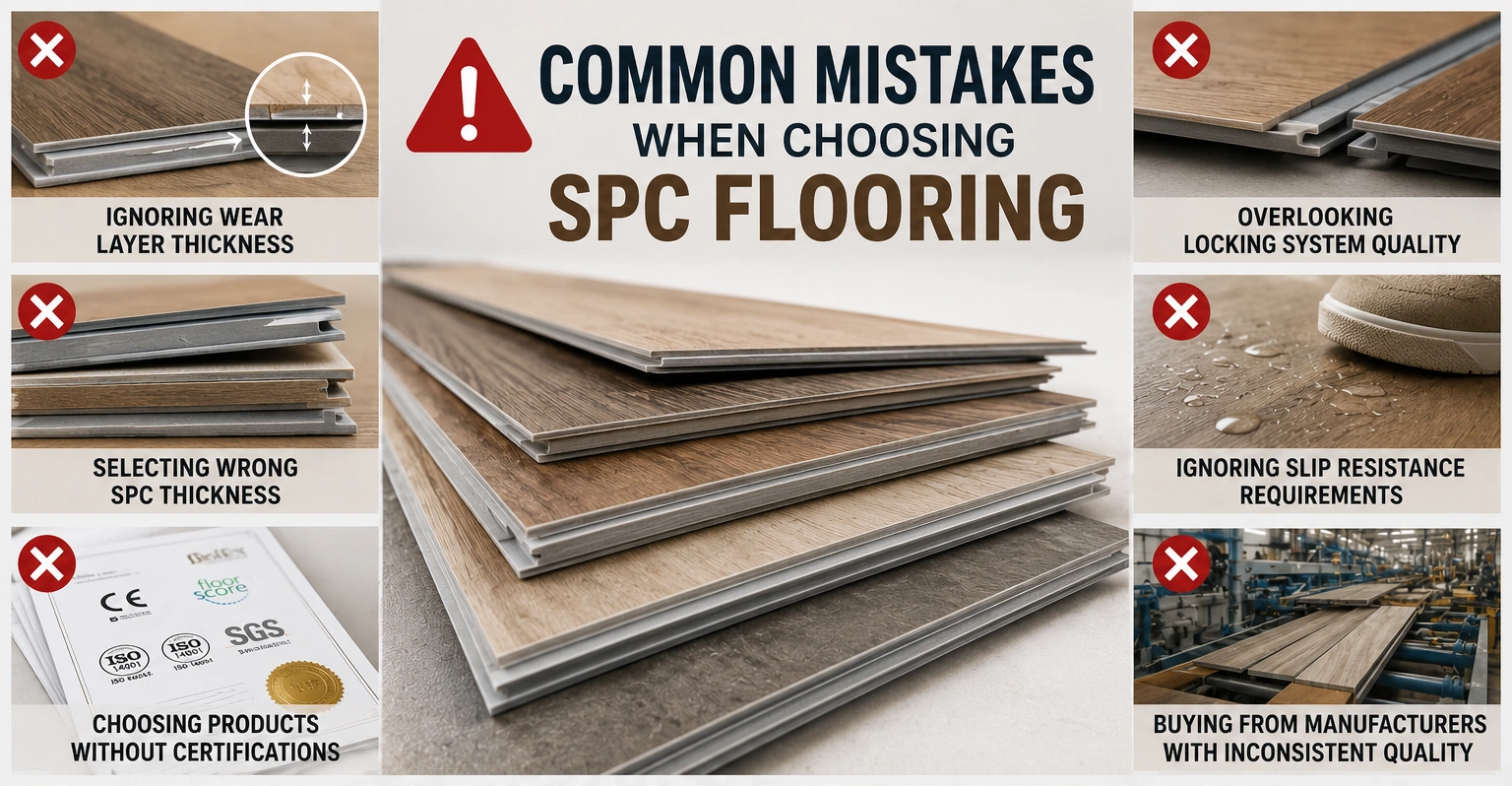
Common mistakes include:
- Ignoring wear layer thickness
- Selecting wrong SPC thickness
- Choosing products without certifications
- Overlooking locking system quality
- Ignoring slip resistance requirements
- Buying from manufacturers with inconsistent quality
- Selecting flooring unsuitable for the intended application
Avoiding these mistakes leads to better long-term value and fewer maintenance issues.
Future Trends
The future of the European flooring market will be shaped by smarter manufacturing, circular economy initiatives, recyclable materials, and stricter environmental regulations.
SPC flooringt Manufacturer are already investing in carbon-neutral production, AI-assisted quality control, improved recycling technologies, and innovative raw materials that reduce environmental impact without compromising product performance.
As these technologies mature, the next generation of SPC flooring will become even more durable, sustainable, and technically advanced.
Conclusion
The SPC Vinyl Flooring Trends in the European Market in 2026 reflect a growing preference for flooring solutions that combine durability, sustainability, and modern design. Buyers across Europe are increasingly prioritizing products that offer long-term performance, easy installation, and low maintenance.
As SPC Flooring Market Trends in Europe continues to evolve, partnering with an experienced manufacturer becomes equally important. Antovia Surfaces offers premium SPC Vinyl Flooring designed to meet global quality standards, helping distributors, importers, and project developers source reliable flooring solutions for the evolving European market.
Frequently Asked Questions
1. Why is SPC flooring becoming increasingly popular in Europe?
SPC flooring is popular because it is waterproof, durable, low-maintenance, and easy to install, making it ideal for modern residential and commercial projects.
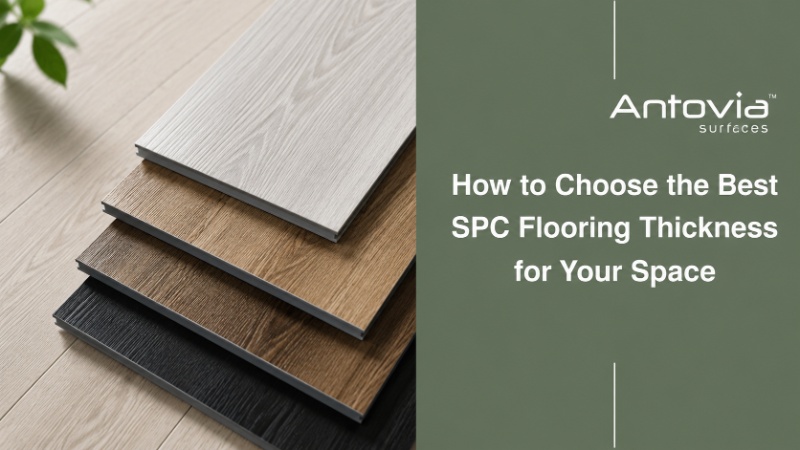
2. How do I choose the right SPC flooring thickness?
Choose the thickness based on the application. Thicker boards are better for high-traffic commercial areas, while standard thickness works well for homes.
3. Is SPC flooring better than laminate flooring?
Yes. SPC flooring offers better waterproof performance, durability, and dimensional stability than laminate flooring.
4. What certifications should an SPC flooring have?
Look for certifications related to low VOC emissions, fire safety, environmental compliance, and indoor air quality.
5. What wear layer is best for commercial spaces?
Commercial spaces require a thicker wear layer to provide better protection against heavy foot traffic and daily wear.
6. Is SPC flooring environmentally friendly?
Many SPC flooring products are made using sustainable materials and low-emission manufacturing processes, making them a more eco-friendly flooring option.