 08 May, 2026
4162Views
08 May, 2026
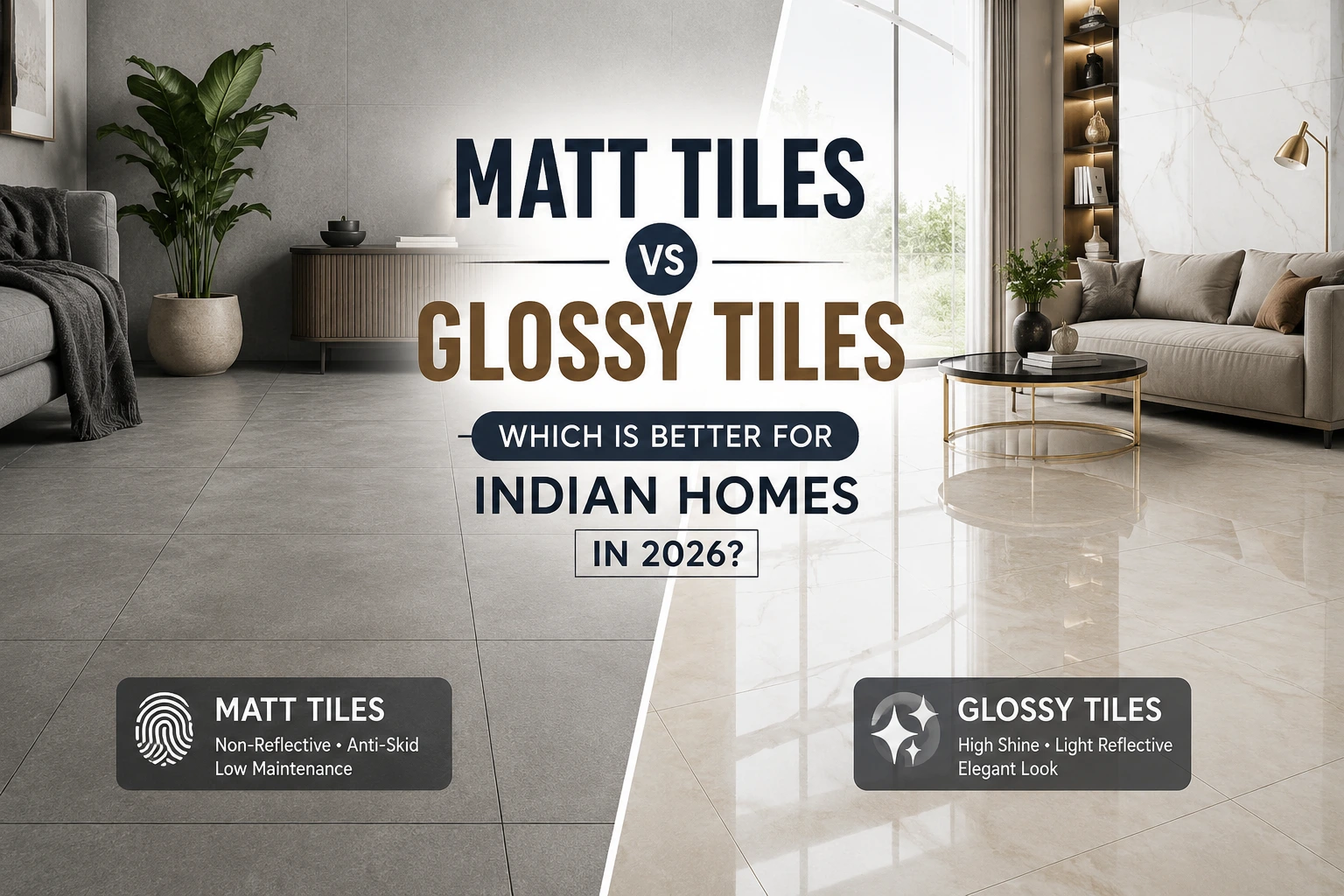
4162Views Choosing between matt tiles vs glossy tiles is one of the most important decisions when designing a modern Indian home. The tile finish you select impacts not only the appearance of your interiors but also safety, maintenance, lighting, and long-term durability.
Matt tiles offer a soft, non-reflective surface with better slip resistance, making them ideal for bathrooms, kitchens, and high-traffic areas. Glossy tiles, on the other hand, reflect light beautifully and create a brighter, more luxurious appearance, especially in living rooms and compact spaces.
If you’re confused about which tiles are best for floor applications, bathrooms, walls, or living rooms, this guide explains the practical differences between matte finish tiles and glossy tile finishes so you can make the right choice for your home.
Quick Comparison: Matt Tiles vs Glossy Tiles
| Feature | Matt Tiles |
Glossy Tiles |
| Surface Finish |
Non-reflective |
Reflective and shiny |
| Slip Resistance |
High | Moderate to low |
| Best For |
Bathrooms, kitchens, outdoor areas |
Living rooms, walls, small rooms |
| Maintenance |
Hides stains and water spots |
Requires regular cleaning |
| Light Reflection |
Low | High |
| Scratch Visibility |
Less visible |
More noticeable |
| Cleaning Ease |
Moderate |
Easy daily wiping |
| Luxury Appearance |
Subtle and modern |
Premium and elegant |
Understanding the Key Differences Between Matt and Glossy Tile Finishes
Surface Texture and Light Reflection Properties
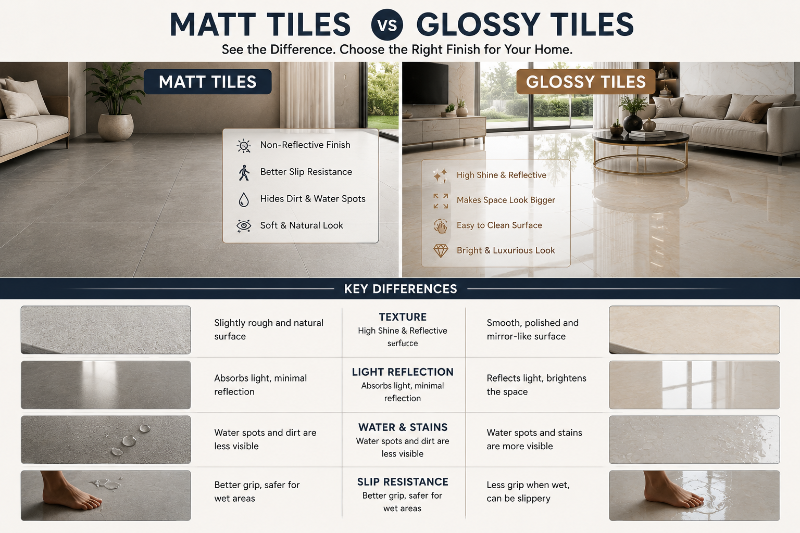
The biggest difference between matte vs glossy tiles lies in how they interact with light.
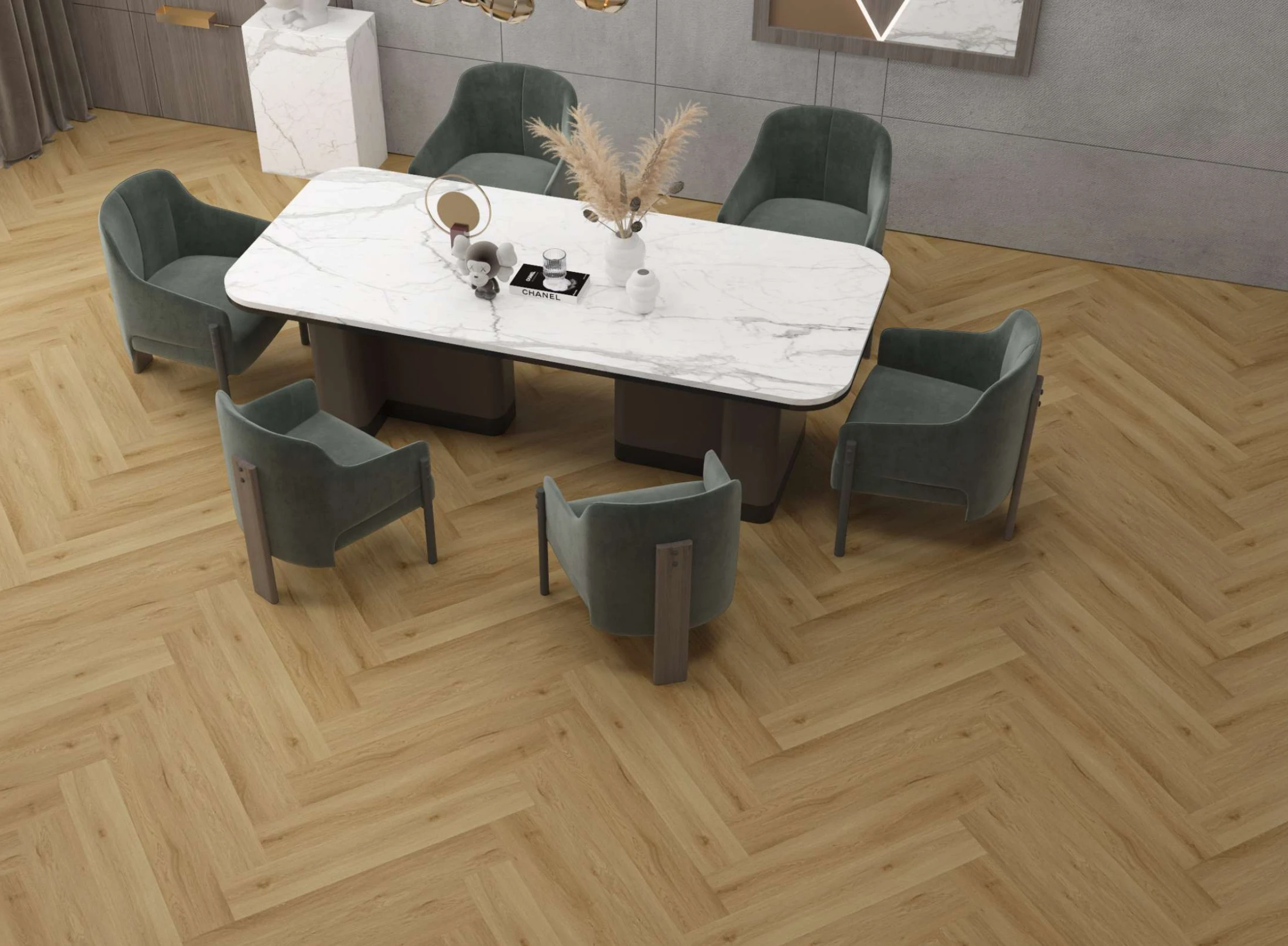
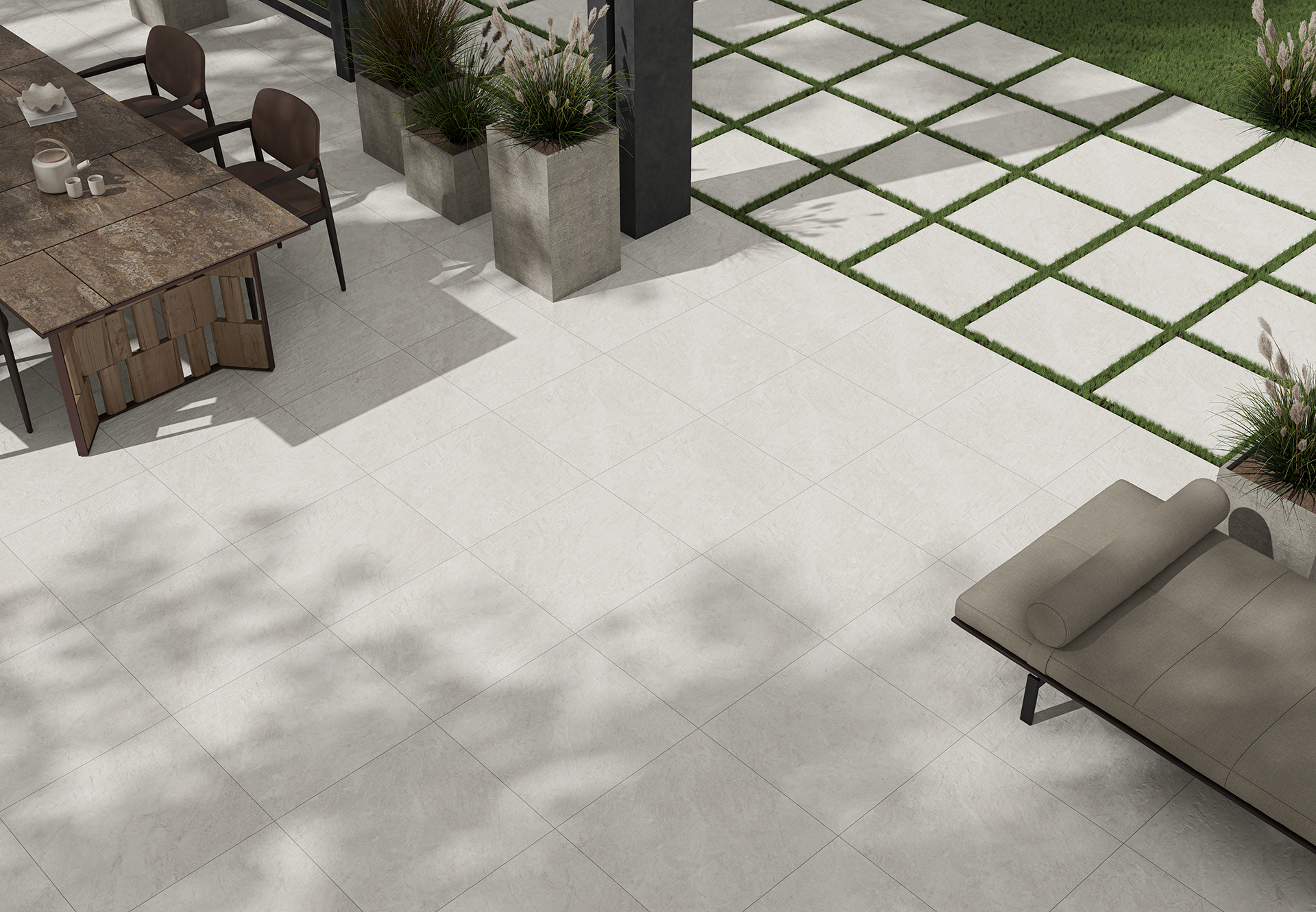
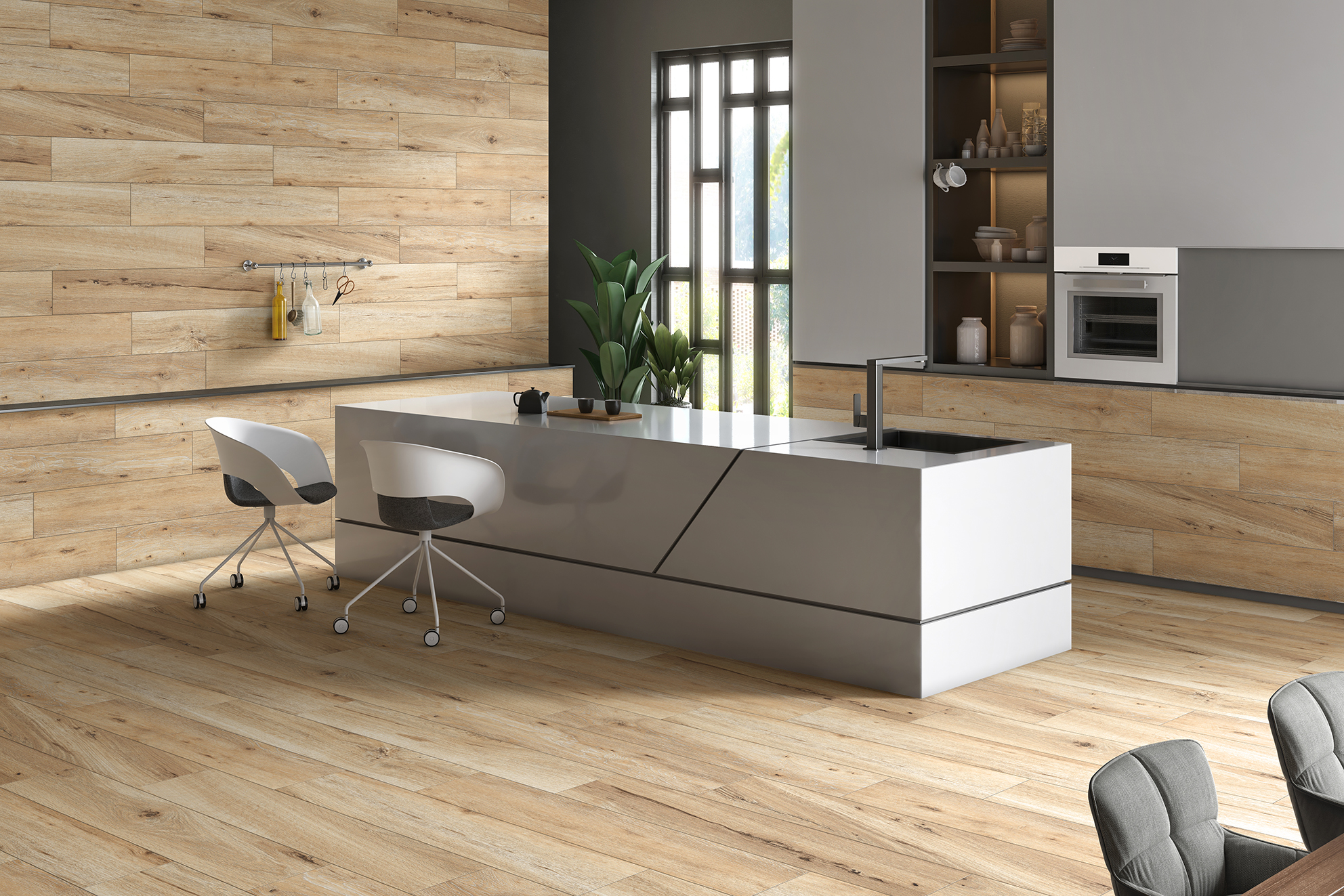
Matt tiles feature a textured, non-reflective surface that absorbs light and creates a soft, natural appearance. This finish reduces glare and offers a calm, sophisticated look that works well in modern Indian homes.
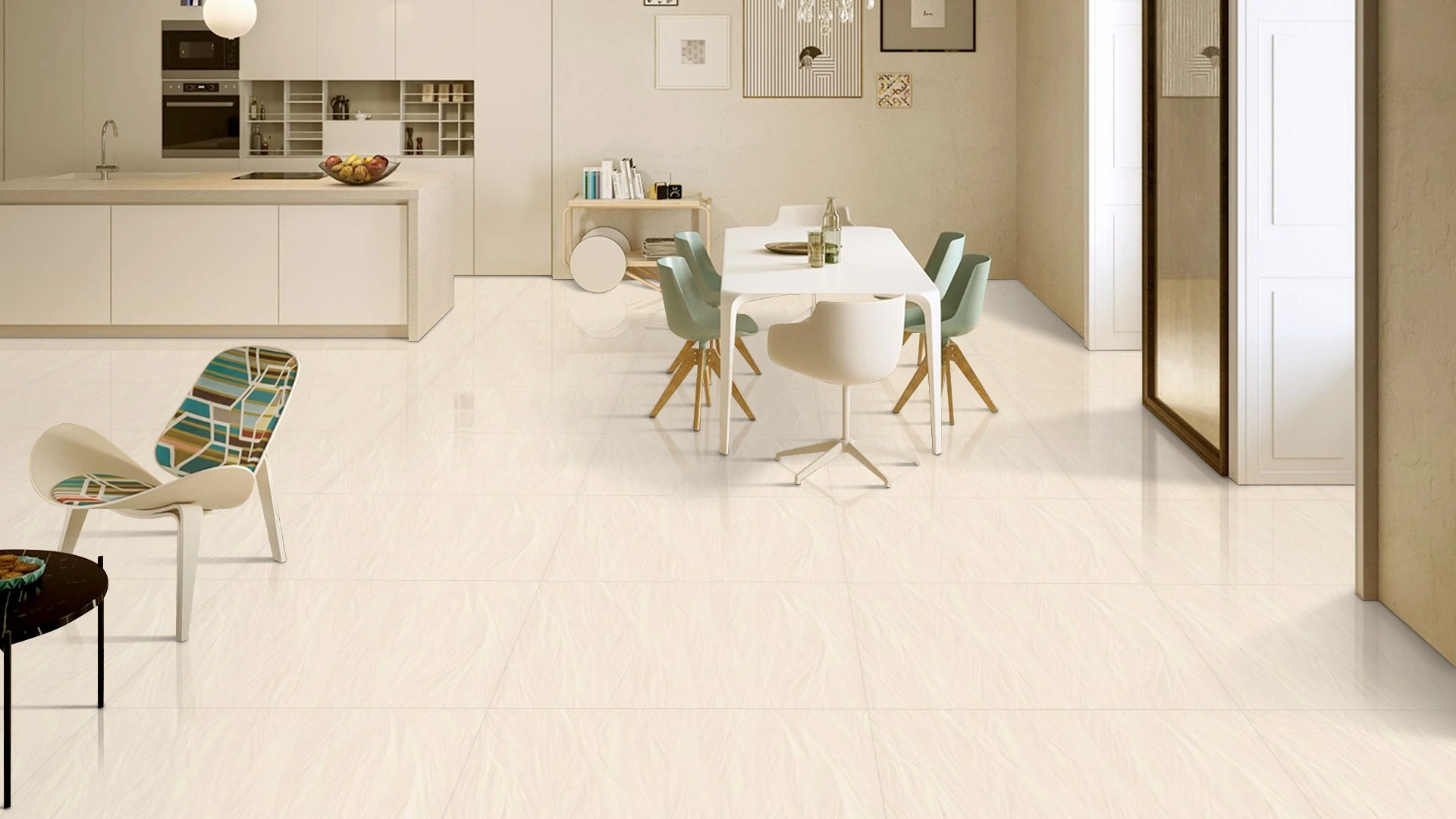
Glossy tiles have a polished surface that reflects both natural and artificial light. These reflective surface tiles make rooms appear brighter and more spacious, which is why glossy tiles for living room spaces remain a popular choice.
However, glossy tiles also highlight:
- fingerprints
- water spots
- dust
- scratches
This makes maintenance more frequent in high-usage areas.
Manufacturing Processes That Create Each Finish
Both porcelain and ceramic tiles can be manufactured in matt or glossy finishes.
Glossy tile finishes are created by applying a glass-like glaze during kiln firing. This produces the smooth, mirror-like surface commonly used in premium interiors.
Matte finish tiles are created using textured glazing or brushing techniques that prevent excessive reflection while improving grip and slip resistance.
Many anti-skid floor tiles in India use matte porcelain finishes because they combine durability with safety.
Visual Impact on Space Perception and Ambiance
Tile finish plays a major role in how large or comfortable a room feels.
Glossy tiles:
- reflect more light
- make compact rooms appear bigger
- create a luxurious appearance
- enhance brightness
This makes them ideal for:
- living rooms
- wall applications
- compact apartments
- decorative feature walls
Matt tiles create a softer and more grounded atmosphere. They are preferred in homes that prioritize comfort, minimalism, and natural aesthetics.
In Indian homes with strong sunlight exposure, matt tiles often reduce excessive glare better than glossy surfaces.
| Finish Type |
Best Effect |
| Matt Tiles |
Warm, subtle, modern ambiance |
| Glossy Tiles |
Bright, spacious, luxurious appearance |
Durability and Maintenance Requirements for Each Tile Type
Scratch Resistance and Wear Patterns Over Time
Matt tiles generally perform better in high-traffic areas because they hide scratches and wear more effectively.
Glossy surfaces tend to show:
- shoe marks
- scratches
- dust
- scuffing
For this reason, matt floor tiles are commonly recommended for:
- hallways
- commercial areas
- kitchens
- family homes
If you have children, pets, or heavy foot traffic, matte tiles are usually the more practical choice.
Cleaning Ease and Stain Removal Capabilities
One of the most common questions homeowners ask is:
Which tiles are easier to clean?
Glossy tiles are easier to wipe daily because dirt remains on the smooth surface. However, they also reveal every stain and water mark.
Matt tiles require slightly deeper cleaning occasionally because of their texture, but they hide dirt much better during daily use.
In Indian bathrooms with hard water, glossy bathroom floor tiles often show water stains quickly unless cleaned regularly.
Long-Term Appearance Retention and Aging Characteristics
Matte tiles age more naturally over time and maintain their original appearance longer.
Glossy tiles may gradually lose shine in high-traffic areas, especially if abrasive cleaners are used frequently.
Porcelain matte finish tiles are particularly durable and maintain their appearance for many years with minimal maintenance.
Cost of Maintenance and Replacement Considerations
Although both finishes are durable, long-term maintenance costs often favor matt tiles.
Why?
- fewer visible scratches
- reduced polishing needs
- less visible dust
- lower cleaning frequency
Glossy tiles may require:
- more regular cleaning
- careful maintenance
- occasional polishing
This becomes important in larger homes where maintenance costs add up over time.
Best Applications for Matt Tiles in Different Areas
Floor Installations for High-Traffic Zones
Matt floor tiles are among the best tiles for floor areas with constant movement.
They are ideal for:
- hallways
- kitchens
- offices
- commercial spaces
- entryways
Their anti-skid properties improve safety while hiding wear and tear effectively.
High traffic floor tiles with matte finishes also maintain a cleaner appearance throughout the day.
Bathroom Walls and Shower Areas
Matt tiles for bathroom spaces are increasingly popular because they provide:
- better grip
- reduced slipping risk
- softer aesthetics
- less visible water stains
If you are searching for non slip bathroom tiles, matte porcelain tiles are one of the safest choices.
During monsoon seasons in India, matte bathroom tiles offer significantly better traction compared to glossy surfaces.
Kitchen Backsplashes and Countertop Surrounds
Matt tiles for kitchen applications create a clean and sophisticated look without excessive reflection.
They work especially well in:
- modern kitchens
- earthy interiors
- Scandinavian-style homes
- contemporary apartments
Matte backsplashes also hide oil splashes and fingerprints better than glossy surfaces.
Optimal Uses for Glossy Tiles Throughout Your Home
Small Spaces That Benefit from Light Reflection
Glossy tiles work exceptionally well in compact homes because they reflect light and create visual depth.
They are ideal for:
- small bathrooms
- apartments
- narrow hallways
- studio interiors
This is why glossy tiles for floor applications are commonly used in urban apartments where maximizing brightness matters.
Accent Walls and Decorative Applications
Glossy tile finishes create stunning visual impact on:
- feature walls
- TV unit backgrounds
- kitchen backsplashes
- decorative panels
Their reflective quality adds luxury and sophistication to interiors.
Dark glossy tiles, especially marble-look porcelain tiles, are highly popular in premium Indian homes.
Low-Traffic Areas Where Elegance is Prioritized
If aesthetics matter more than heavy durability, glossy tiles are a strong option.
Best areas include:
- guest bedrooms
- formal living rooms
- decorative spaces
- wall installations
Because these areas receive less daily wear, maintaining the shine becomes easier.
Wet Areas Requiring Maximum Water Resistance
Glossy tiles resist water penetration effectively because of their glazed surface.
They perform well on:
- bathroom walls
- kitchen walls
- utility areas
- wash zones
However, glossy bathroom floor tiles should be used carefully because wet glossy surfaces can become slippery.
Safety Considerations and Slip Resistance Factors
Wet Surface Grip Levels for Bathroom Applications
Are glossy tiles slippery?
Yes , glossy floor tiles can become slippery when wet.
This is why matt tiles for bathroom floors are generally recommended over glossy finishes.
Anti-skid floor tiles with matte textures provide:
- better traction
- improved grip
- safer walking conditions
This is especially important for:
- children
- elderly family members
- homes with heavy bathroom usage
Accident Prevention in High-Moisture Environments
Bathrooms, balconies, and utility areas require better floor grip.
Matte tiles help reduce accidents because their textured surface improves stability even when wet.
If safety is your priority, matte finish porcelain tiles are usually the better option.
Family-Friendly Options for Homes with Children and Elderly
For family homes, matte tiles offer better long-term practicality.
Benefits include:
- reduced slipping risk
- better scratch concealment
- easier maintenance appearance
- safer barefoot movement
Homes with elderly residents should strongly consider matte floor tiles in bathrooms and kitchens.
Design Impact and Aesthetic Considerations
How Each Finish Affects Room Lighting and Mood
Glossy tiles create:
- brighter interiors
- luxurious appeal
- stronger light reflection
Matt tiles create:
- calm environments
- modern minimal aesthetics
- warm visual comfort
The right choice depends on your design goals.
Compatibility with Different Interior Design Styles
| Design Style |
Recommended Finish |
| Modern Luxury |
Glossy |
| Scandinavian |
Matt |
| Industrial |
Matt |
| Contemporary Minimal |
Matt |
| Classic Premium |
Glossy |
| Rustic Interiors |
Matt |
Color Enhancement and Visual Depth Creation
Glossy tiles make colors appear:
- richer
- brighter
- more dramatic
Matt tiles offer:
- softer color tones
- natural texture
- understated elegance
Large format matte porcelain tiles are currently trending in modern Indian homes because they create seamless luxury without excessive reflection.
Professional Design Tips for Mixing Finishes Effectively
You do not always have to choose only one finish.
Many interior designers combine matte and glossy tiles strategically:
- matte floor + glossy wall
- glossy feature wall + matte surroundings
- matte bathroom floor + glossy shower wall
This creates visual balance while maintaining functionality.
Which Tiles Are Best Room-by-Room?

|
Room |
Best Tile Finish |
|
Bathroom Floor |
Matt |
|
Bathroom Walls |
Glossy |
|
Living Room |
Glossy |
|
Kitchen Floor |
Matt |
|
Kitchen Backsplash |
Glossy |
|
Bedroom |
Matt |
|
Balcony |
Matt |
|
Commercial Areas |
Matt |
Pros and Cons of Matt Tiles
Advantages
- Better slip resistance
- Hides scratches and stains
- Ideal for high-traffic areas
- Softer modern appearance
- Lower visible maintenance
Disadvantages
- Slightly harder deep cleaning
- Less reflective brightness
- Can make small rooms feel smaller
Pros and Cons of Glossy Tiles
Advantages
- Brightens interiors
- Creates luxurious appearance
- Easier surface wiping
- Makes rooms appear larger
Disadvantages
- More slippery when wet
- Shows scratches and stains
- Requires frequent cleaning
Final Verdict: Matt Tiles vs Glossy Tiles
Choosing between matt tiles vs glossy tiles depends on your lifestyle, room usage, and design priorities.
Choose matt tiles if you want:
- safer flooring
- low-maintenance surfaces
- modern aesthetics
- better durability for high-traffic areas
Choose glossy tiles if you want:
- brighter interiors
- elegant luxury appeal
- reflective surfaces
- visually larger spaces
For most Indian homes, a combination of matte floor tiles and glossy wall tiles offers the best balance of safety, aesthetics, and practicality.
Before making your final choice, always consider:
- room size
- lighting conditions
- maintenance expectations
- family requirements
- moisture exposure
The right tile finish can completely transform the comfort, safety, and visual appeal of your space for years to come.