 10 Mar, 2026
4618Views
10 Mar, 2026
4618Views Choosing the right flooring material plays a major role in the durability, comfort, and visual appeal of any interior space. With the growing demand for modern and practical flooring solutions, homeowners, architects, and interior designers are constantly exploring materials that combine durability, aesthetics, and easy maintenance. Two of the most popular flooring options used today are SPC flooring and laminate flooring.
Both flooring types offer stylish designs and convenient installation systems, making them suitable for residential and commercial interiors. However, there are important differences between these two materials in terms of durability, moisture resistance, structure, and long-term performance. Understanding these differences helps homeowners and professionals make better flooring decisions.
This article provides a detailed comparison of SPC flooring vs laminate flooring, explaining their structure, advantages, installation methods, and ideal applications. By the end of this guide, readers will clearly understand the difference between SPC and laminate flooring and which option may be better suited for their needs.
What Is SPC Flooring?
SPC flooring (Stone Plastic Composite flooring) is a rigid core vinyl flooring made from limestone powder, PVC, and stabilizers. It is known for its strong core structure, waterproof performance, and excellent durability, making it suitable for both residential and commercial spaces.
The rigid core structure is what makes SPC vinyl flooring unique compared to many other flooring materials. The stone-plastic composite core gives the flooring exceptional stability, allowing it to resist dents, impact, and expansion caused by temperature changes.
Because of its waterproof properties, rigid core SPC flooring is widely used in areas where moisture is common, such as kitchens, bathrooms, and basements. The flooring is also popular in commercial environments like offices, retail stores, and hotels where durability and low maintenance are essential.
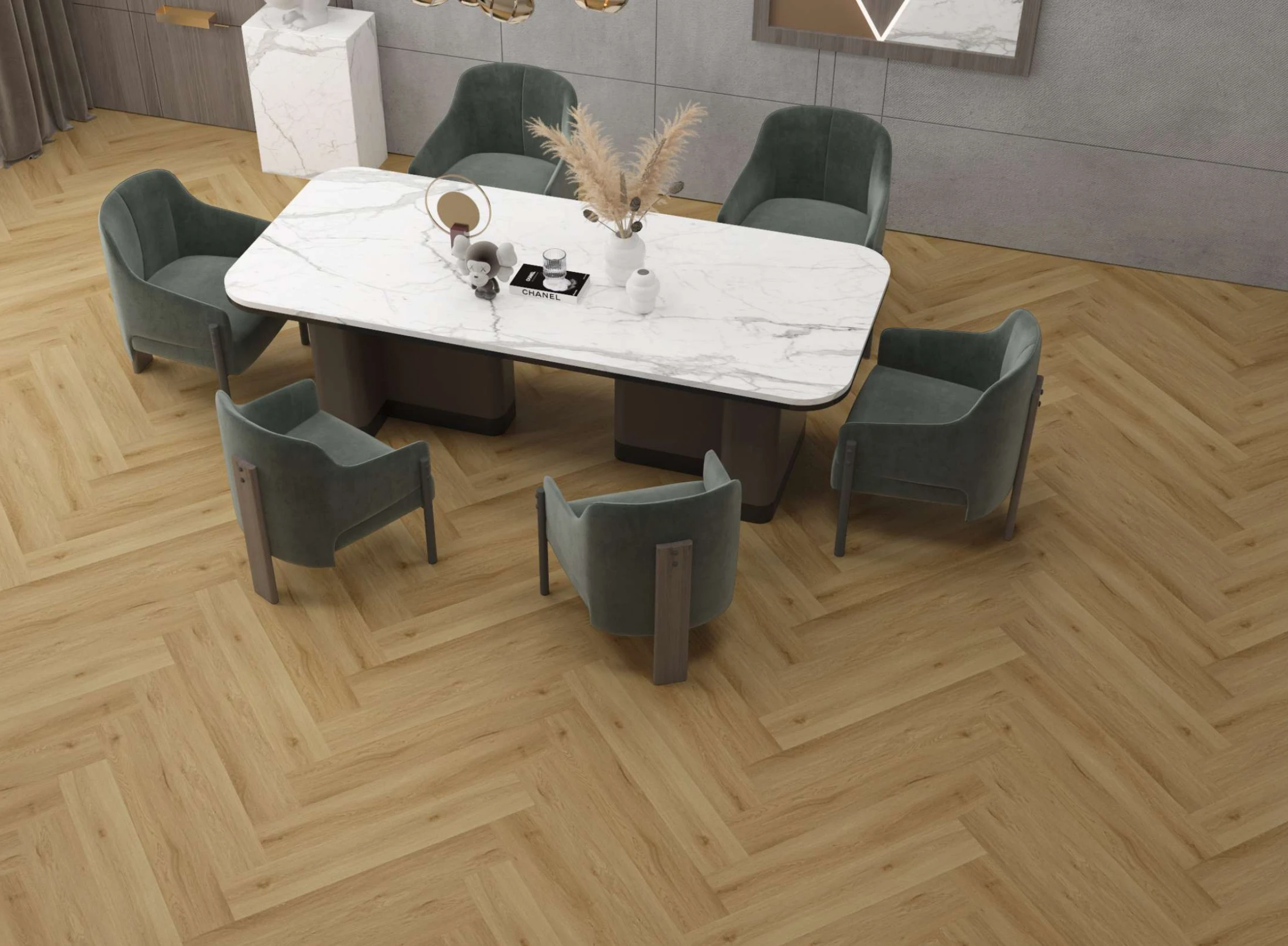
Another advantage of SPC flooring is its design versatility. Modern SPC planks are available in a wide range of finishes that replicate the look of natural wood, marble, and stone, making them suitable for contemporary interior designs.
What Is Laminate Flooring?
Laminate flooring is another popular flooring option used in homes and commercial spaces. It is designed to mimic the appearance of natural wood while offering a more affordable alternative.
Laminate flooring typically consists of several layers, including a high-density fiberboard core, a decorative photographic layer, and a protective wear layer. The decorative layer creates the visual appearance of wood or other natural materials, while the wear layer protects the surface from scratches and daily wear.
Laminate flooring gained popularity because it provides an attractive wood-like appearance at a lower cost compared to hardwood flooring. It is commonly used in living rooms, bedrooms, and offices where moisture exposure is limited.
Although laminate flooring offers good durability for everyday use, it is generally less resistant to water compared to SPC flooring, which is specifically designed to be waterproof.
SPC Flooring vs Laminate Flooring: Key Differences
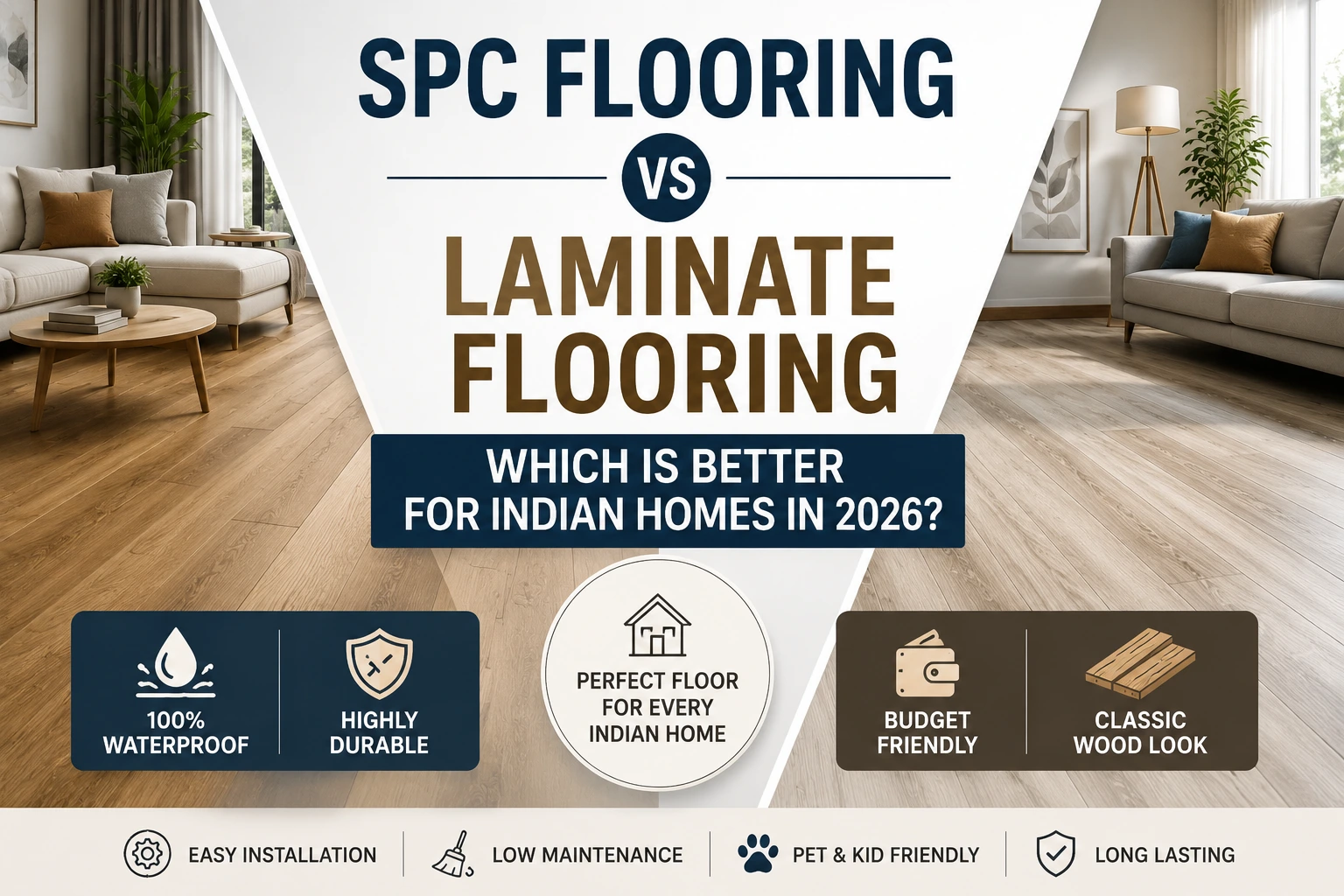
The main difference between SPC flooring and laminate flooring lies in their core materials and resistance to moisture. The table below highlights the key differences between the two flooring types.
| Feature | SPC Flooring | Laminate Flooring |
| Core Material | Stone Plastic Composite | High-Density Fiberboard |
| Waterproof | 100% Waterproof | Water Resistant |
| Durability | Very High | Moderate |
| Stability | Excellent | Moderate |
| Installation | Click-lock | Click-lock |
| Moisture Resistance | Ideal for wet areas | Limited moisture tolerance |
This comparison shows that SPC flooring vs laminate flooring differs mainly in durability and water resistance, which are important factors when choosing flooring for different environments.
Durability Comparison
Durability is one of the most important factors when selecting flooring, especially in areas that experience heavy foot traffic.
SPC Flooring Durability
The rigid core structure of SPC vinyl flooring provides excellent resistance to dents, scratches, and heavy use. This makes it ideal for high-traffic areas such as offices, commercial spaces, and busy households.
Because of its stone-based core composition, SPC flooring maintains its shape and stability even when exposed to temperature changes or heavy furniture.
Laminate Flooring Durability
Laminate flooring also offers good durability for residential use. The protective wear layer helps resist scratches and surface damage caused by everyday activities.
However, laminate flooring may be more susceptible to moisture damage and impact compared to rigid core SPC flooring, especially in areas with high humidity or water exposure.
Waterproof Performance
One of the biggest differences in the SPC flooring vs laminate flooring comparison is moisture resistance.
SPC Flooring Waterproof Benefits
SPC flooring is completely waterproof due to its stone-plastic composite core. This allows it to perform well in areas where water spills, humidity, or moisture are common.
Because of this feature, waterproof SPC flooring is often used in kitchens, bathrooms, laundry rooms, and basements.
Laminate Flooring Moisture Limitations
Laminate flooring is generally water-resistant but not fully waterproof. If water penetrates the surface and reaches the fiberboard core, the flooring may swell or warp.
For this reason, laminate flooring is usually recommended for dry areas such as bedrooms, living rooms, and hallways.
Installation Process Comparison
Both flooring types use similar installation methods, making them relatively easy to install.
SPC Flooring Installation
SPC flooring typically uses a click-lock installation system that allows planks to snap together without glue. This floating floor installation method reduces installation time and simplifies the process.
Many SPC flooring products also include pre-attached underlayment, which helps improve sound insulation and walking comfort.
Laminate Flooring Installation
Laminate flooring also uses a click-lock system in most modern products. However, laminate floors often require a separate underlayment layer to improve stability and reduce noise.
While both flooring options are easy to install, SPC flooring installation may provide better stability in areas exposed to moisture.
Design and Appearance
Both SPC flooring and laminate flooring are designed to replicate the appearance of natural materials such as wood and stone.
Laminate flooring is well known for its realistic wood-look designs, which are created using high-resolution photographic layers. This allows homeowners to achieve the look of hardwood flooring without the high cost.
SPC flooring also offers a wide variety of designs, including wood grain patterns, marble textures, and modern stone finishes. These designs make SPC flooring suitable for both classic and contemporary interior styles.
With modern manufacturing technology, both flooring options can provide visually appealing interiors while offering practical benefits.
Cost Comparison
Cost is another important factor when choosing between SPC flooring vs laminate flooring.
Laminate flooring is generally considered a budget-friendly option. Its lower material cost makes it attractive for homeowners looking for affordable flooring solutions.
SPC flooring may have a slightly higher initial cost compared to laminate flooring. However, its superior durability, waterproof performance, and longer lifespan often make it a cost-effective choice in the long run.
When considering the total cost of flooring, it is important to evaluate not only the installation price but also the long-term maintenance and replacement costs.
Best Applications for Each Flooring Type
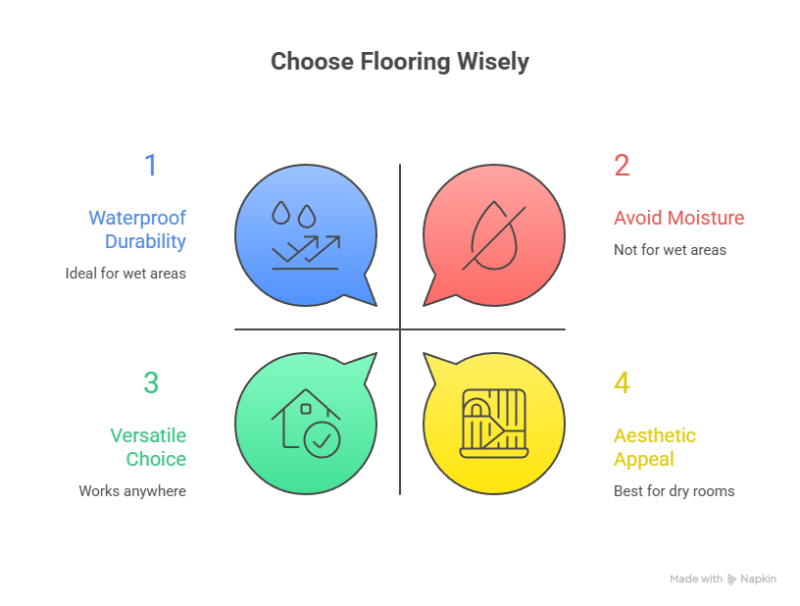
Both flooring options perform well in specific environments depending on their characteristics.
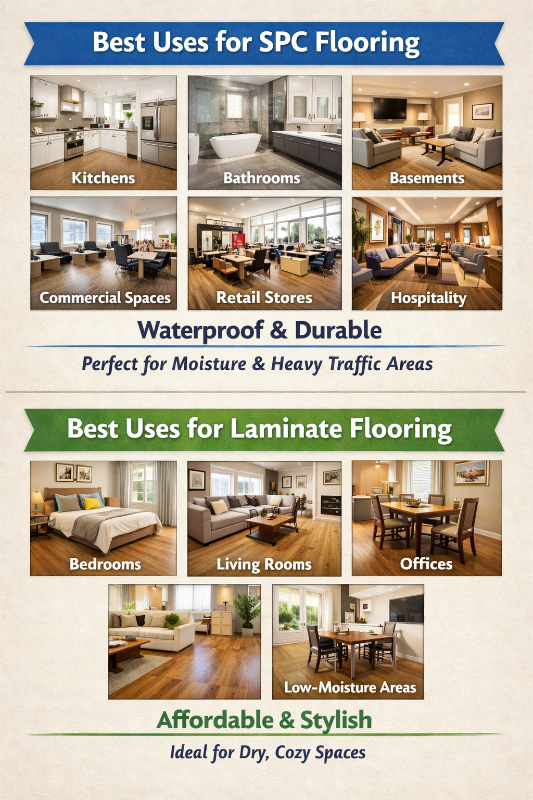
Best Uses for SPC Flooring
SPC flooring is ideal for:
- Kitchens
- Bathrooms
- Basements
- Commercial spaces
- Retail stores
- Hospitality environments
Its waterproof properties and durability make it suitable for areas exposed to moisture or heavy foot traffic.
Best Uses for Laminate Flooring
Laminate flooring works well in:
- Bedrooms
- Living rooms
- Offices
- Low-moisture environments
These spaces benefit from laminate flooring's attractive wood-like appearance and affordability.
Pros and Cons of SPC Flooring vs Laminate Flooring
Understanding the advantages and limitations of each flooring type helps in making an informed decision.
SPC Flooring Pros
- 100% waterproof
- Highly durable
- Stable under temperature changes
- Suitable for high-traffic areas
SPC Flooring Cons
- Slightly higher initial cost
Laminate Flooring Pros
- Affordable flooring option
- Attractive wood-like appearance
- Easy installation
Laminate Flooring Cons
- Less resistant to moisture
- Can swell if exposed to water
Which Flooring Is Better: SPC or Laminate?
When comparing SPC flooring vs laminate flooring, the best choice depends on the environment where the flooring will be installed.
SPC flooring is generally the better option for areas that require durability and water resistance. Its rigid core structure makes it highly stable and suitable for both residential and commercial spaces.
Laminate flooring remains a good choice for homeowners looking for an affordable flooring solution with a natural wood appearance, especially in areas where moisture exposure is minimal.
Ultimately, the right flooring choice should consider factors such as durability, installation environment, design preferences, and budget.
Antovia Surfaces: A Trusted Name in Modern Surface Solutions
In the evolving flooring industry, reliability, product quality, and innovation are key factors when selecting a flooring brand. Antovia Surfaces has established itself as a trusted name in modern surface solutions by focusing on high-quality materials, contemporary designs, and durable flooring products that meet the demands of modern construction.
With a strong understanding of global interior design trends, Antovia Surfaces develops flooring solutions that combine performance, durability, and aesthetics. The brand focuses on providing advanced flooring options such as SPC flooring and modern surface materials designed for residential, commercial, and hospitality environments.
One of the key strengths of Antovia Surfaces is its commitment to quality manufacturing standards and product consistency. Every flooring solution is designed to offer stability, water resistance, and long-term durability, making it suitable for spaces that experience heavy foot traffic.
By combining innovation, quality control, and design expertise, Antovia Surfaces continues to deliver reliable surface solutions that meet the evolving needs of modern architecture and interior design.
Conclusion
Both SPC flooring and laminate flooring offer practical and visually appealing solutions for modern interiors. However, there are significant differences between the two materials in terms of durability, moisture resistance, and long-term performance.
While laminate flooring provides an affordable wood-like appearance for residential spaces, SPC flooring offers superior durability, waterproof performance, and stability, making it suitable for both homes and commercial environments.
Understanding the key differences between SPC flooring vs laminate flooring helps homeowners, designers, and architects choose the most suitable flooring option for their specific requirements.
Frequently Asked Questions
1) Is SPC flooring better than laminate flooring?
SPC flooring is generally more durable and waterproof than laminate flooring, making it suitable for moisture-prone areas like kitchens and bathrooms.
2) Which flooring is cheaper, SPC or laminate?
Laminate flooring is usually cheaper than SPC flooring, although SPC flooring may provide better long-term value due to its durability.
3) Can SPC flooring replace laminate flooring?
Yes, SPC flooring can replace laminate flooring and is often preferred in areas where water resistance and durability are important.
4) Which flooring lasts longer?
SPC flooring typically lasts longer than laminate flooring because of its rigid core structure and resistance to moisture and damage.