 11 Mar, 2026
4423Views
11 Mar, 2026
4423Views Tiles have become one of the most popular flooring and wall solutions in modern architecture and interior design. Their durability, aesthetic versatility, and low maintenance make them ideal for residential homes, commercial spaces, and hospitality environments. Among the various tile options available today, porcelain tiles and vitrified tiles are widely used for flooring and wall applications.
Although both tile types offer strong performance and stylish finishes, many homeowners and designers often wonder about the difference between porcelain and vitrified tiles. While these materials may look similar in appearance, they differ in composition, manufacturing process, durability, and suitable applications.
Understanding the comparison of porcelain tiles vs vitrified tiles is essential when selecting the right tile for a particular space. Factors such as water resistance, strength, maintenance requirements, and cost all play a role in determining which tile type is best suited for a project.
This guide provides a detailed comparison of porcelain vs vitrified tiles, explaining their key characteristics, advantages, and applications to help you make an informed decision when choosing tile flooring.
What Is the Difference Between Porcelain and Vitrified Tiles?
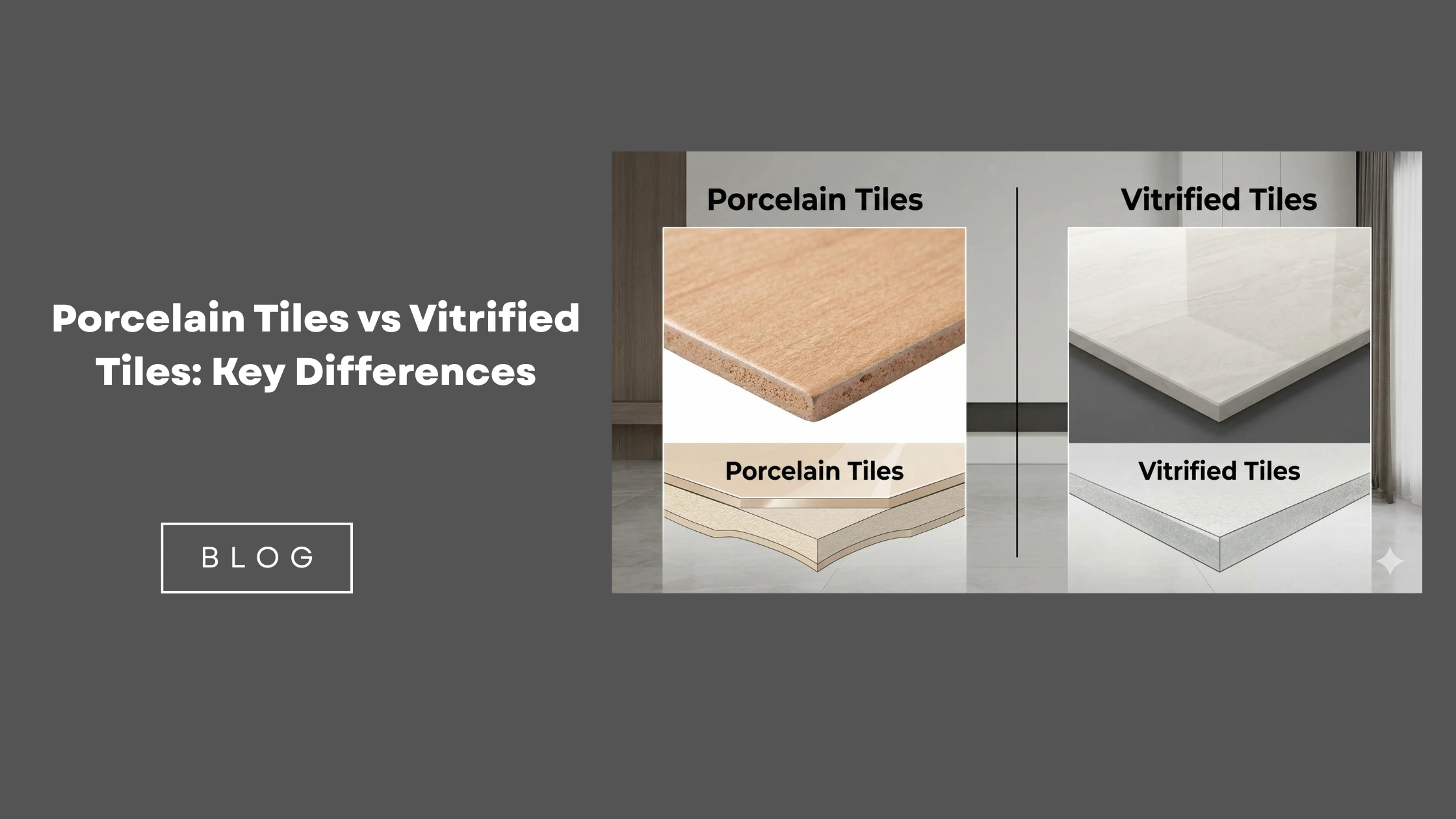
The main difference between porcelain tiles and vitrified tiles lies in their composition and manufacturing process. Porcelain tiles are made from refined clay and fired at extremely high temperatures, making them dense and durable. Vitrified tiles are produced by vitrifying silica and clay materials to create a glass-like surface with low porosity.
Both tile types are known for their durability and modern design options, but porcelain tiles generally have a denser composition, while vitrified tiles are known for their smooth and glossy surface finish.
What Are Porcelain Tiles?
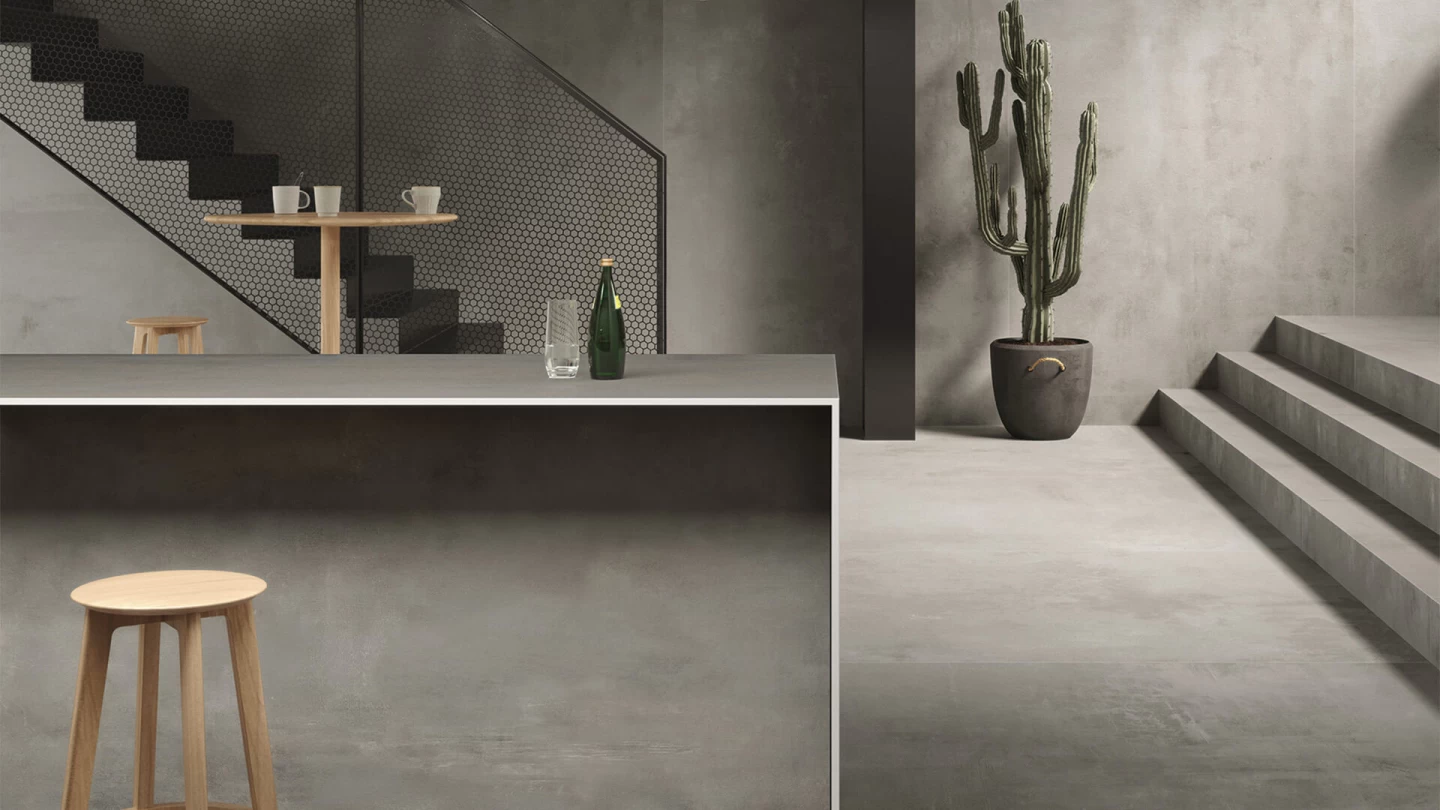
Porcelain tiles are a type of ceramic tile made from highly refined clay and natural minerals. These materials are pressed and fired at extremely high temperatures during the manufacturing process, which results in a dense and durable tile structure.
One of the most notable characteristics of porcelain tiles is their very low water absorption rate. Because of this feature, porcelain tiles are highly resistant to moisture and suitable for both indoor and outdoor applications.
Key Characteristics of Porcelain Tiles
- Dense and strong material structure
- Extremely low water absorption
- High resistance to stains and scratches
- Suitable for indoor and outdoor use
Due to their durability, porcelain floor tiles are commonly used in high-traffic areas such as shopping malls, office buildings, and outdoor spaces. Their strength and resilience make them a preferred choice for architects and designers who require long-lasting surfaces.
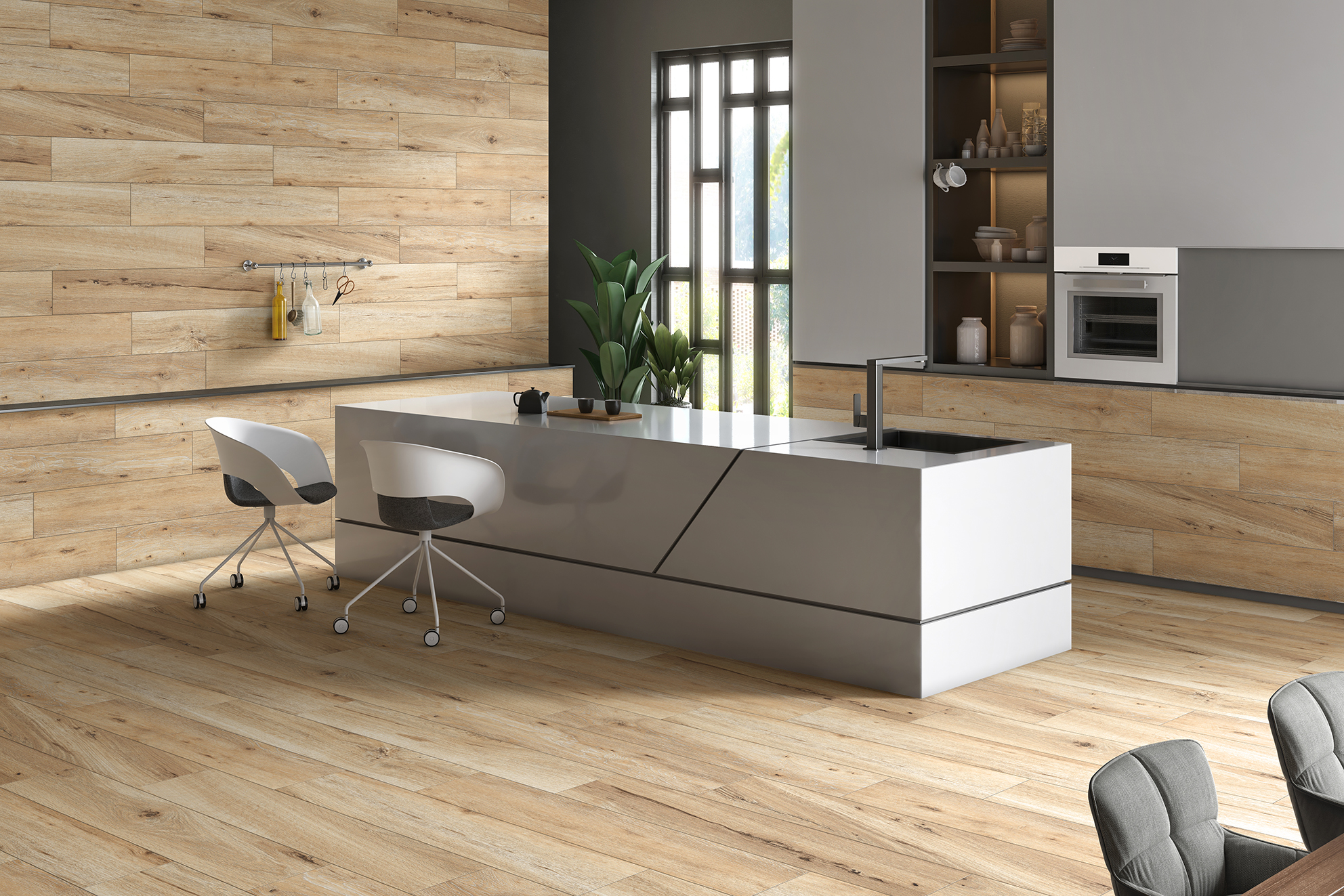
Another advantage of porcelain tiles is the variety of design options available. Modern porcelain tiles can replicate natural materials such as marble, granite, and wood, offering a stylish appearance without the maintenance challenges of natural surfaces.
What Are Vitrified Tiles?
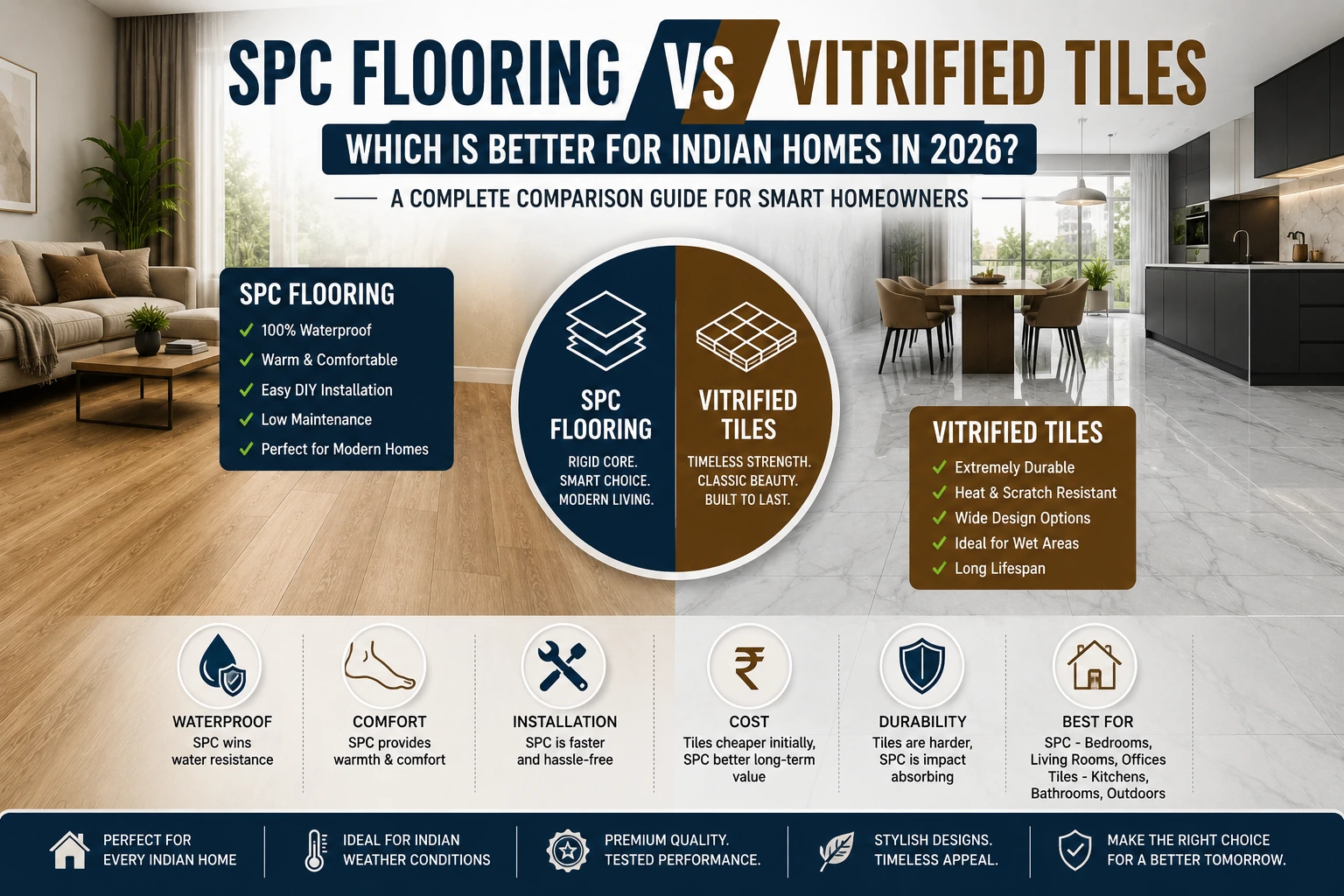
Vitrified tiles are produced using a special manufacturing process known as vitrification. This process involves mixing clay with silica and other minerals and firing the mixture at high temperatures to create a glass-like texture on the tile surface.
The vitrification process reduces the porosity of the tile and improves its strength, making vitrified tiles suitable for various flooring applications.
Key Characteristics of Vitrified Tiles
- Smooth and glossy surface finish
- Low porosity and water absorption
- Good durability for residential spaces
- Available in a wide range of colors and patterns
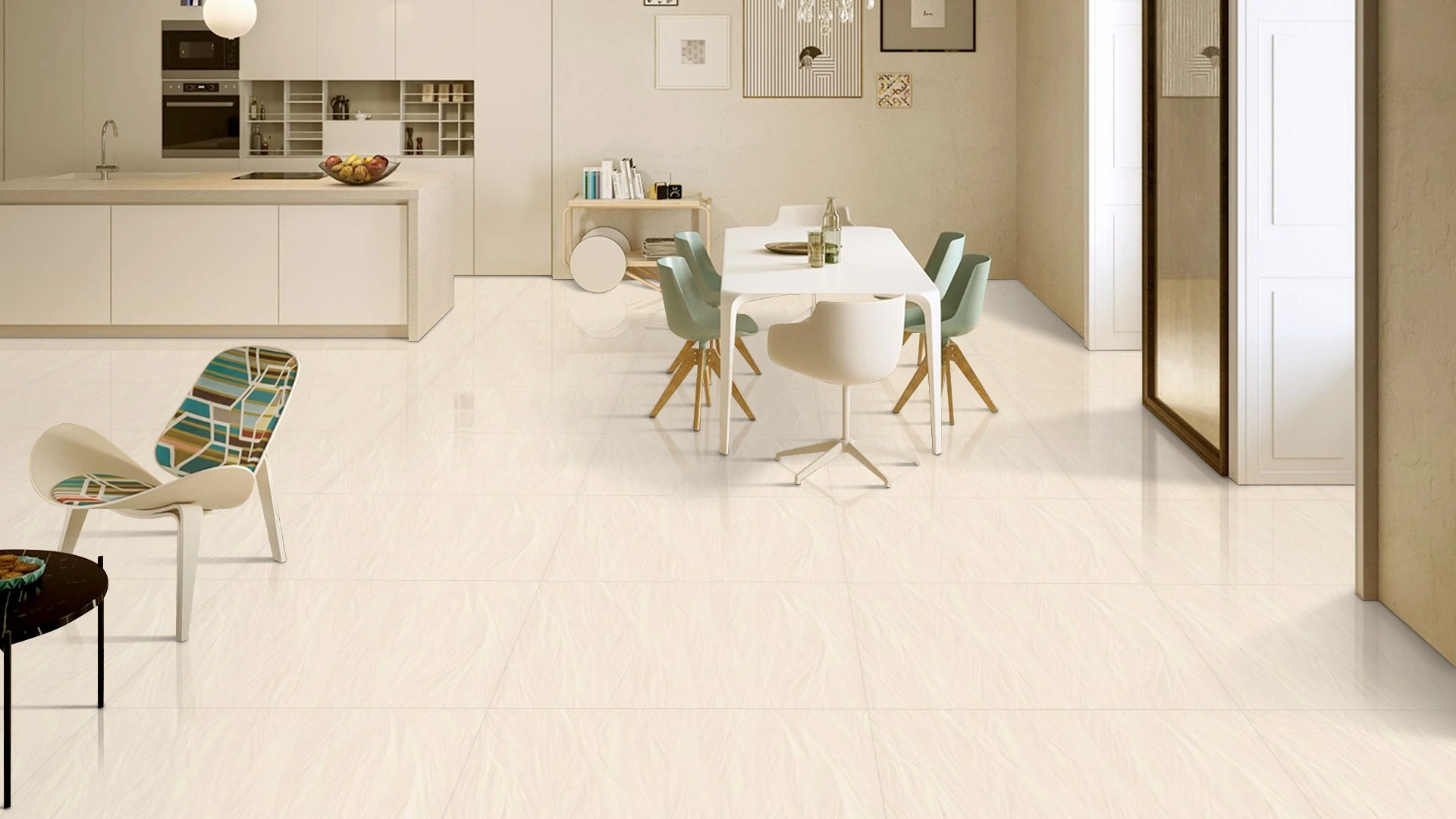
Because of their polished appearance, vitrified floor tiles are commonly used in living rooms, bedrooms, and other interior spaces where aesthetics are important.
Vitrified tiles are also popular because they offer an affordable flooring solution while maintaining durability and visual appeal.
Porcelain Tiles vs Vitrified Tiles: Key Differences
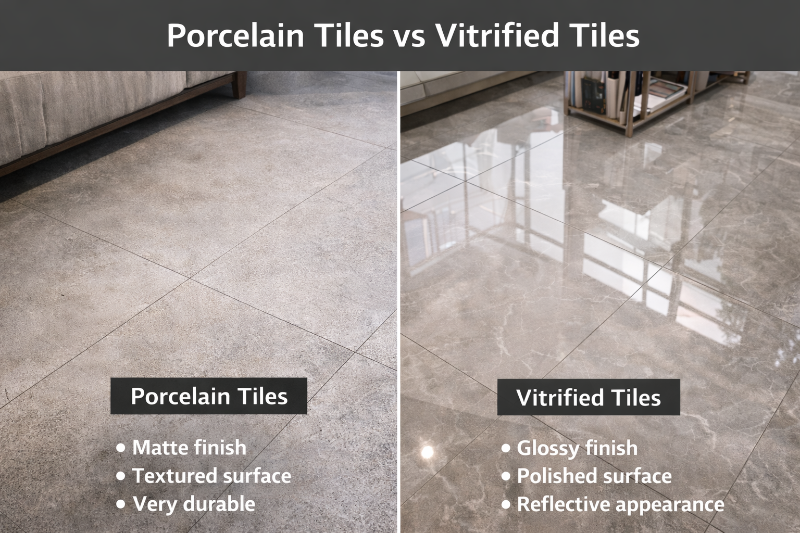
The main differences between porcelain tiles and vitrified tiles can be understood through the following comparison.
| Feature | Porcelain Tiles | Vitrified Tiles |
|---|---|---|
| Material | Refined clay | Clay and silica mixture |
| Water Absorption | Very low | Low |
| Durability | Very high | High |
| Surface Finish | Matte / textured | Glossy / polished |
| Applications | Indoor & outdoor | Mainly indoor |
This comparison highlights the primary distinction between porcelain tiles vs vitrified tiles, particularly in terms of material density and applications.
Durability Comparison
Durability is one of the most important factors when choosing flooring tiles.
Porcelain Tile Durability
Porcelain tiles are known for their exceptional strength and durability. Because of their dense composition and high firing temperature, they are resistant to scratches, stains, and heavy foot traffic.
This makes porcelain tile durability ideal for commercial spaces, outdoor areas, and high-traffic environments.
Vitrified Tile Durability
Vitrified tiles also provide good durability for residential applications. Their vitrified surface offers resistance to stains and moisture, making them suitable for living rooms, kitchens, and bedrooms.
However, in extremely high-traffic environments, porcelain tiles may provide better long-term performance.
Water Resistance and Porosity
Water resistance is another important factor when comparing porcelain vs vitrified tiles.
Porcelain tiles have extremely low water absorption rates, which makes them suitable for wet areas such as bathrooms, kitchens, and outdoor installations.
Vitrified tiles also have low porosity due to the vitrification process, but their water absorption is generally slightly higher than porcelain tiles.
For areas exposed to frequent moisture, porcelain tiles are often considered the better option.
Design and Appearance
Both porcelain and vitrified tiles offer a wide variety of designs, allowing homeowners and designers to create attractive interior spaces.
Porcelain tiles are available in different textures and finishes, including matte, polished, and natural stone effects. These designs can replicate materials such as marble, wood, and granite.
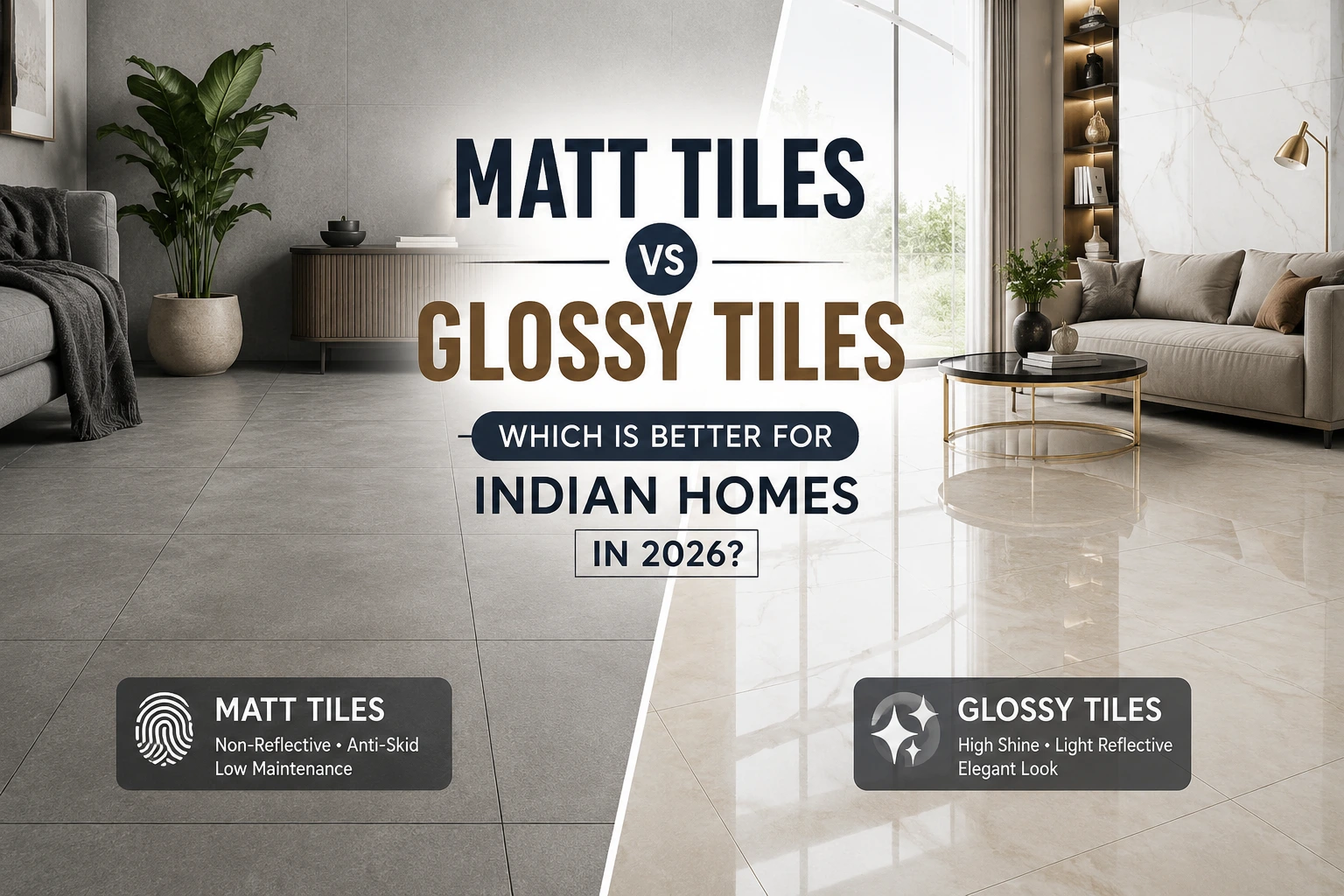
Vitrified tiles are typically known for their glossy and polished surfaces, which reflect light and enhance the brightness of interior spaces.
Because of their polished appearance, vitrified tiles are often chosen for modern residential interiors where a sleek and elegant look is desired.
Cost Comparison
Cost is an important consideration when selecting tile flooring.
In general, vitrified tiles tend to be more affordable compared to porcelain tiles. Their manufacturing process and material composition allow them to be produced at lower costs.
Porcelain tiles may have a slightly higher price because of their dense structure and advanced manufacturing process.
However, in terms of long-term durability and performance, porcelain tiles may provide better value for projects that require stronger and more resilient surfaces.
Best Applications for Each Tile Type
Understanding where each tile type performs best helps in selecting the right material for different environments.
Best Uses for Porcelain Tiles
Porcelain tiles are ideal for:
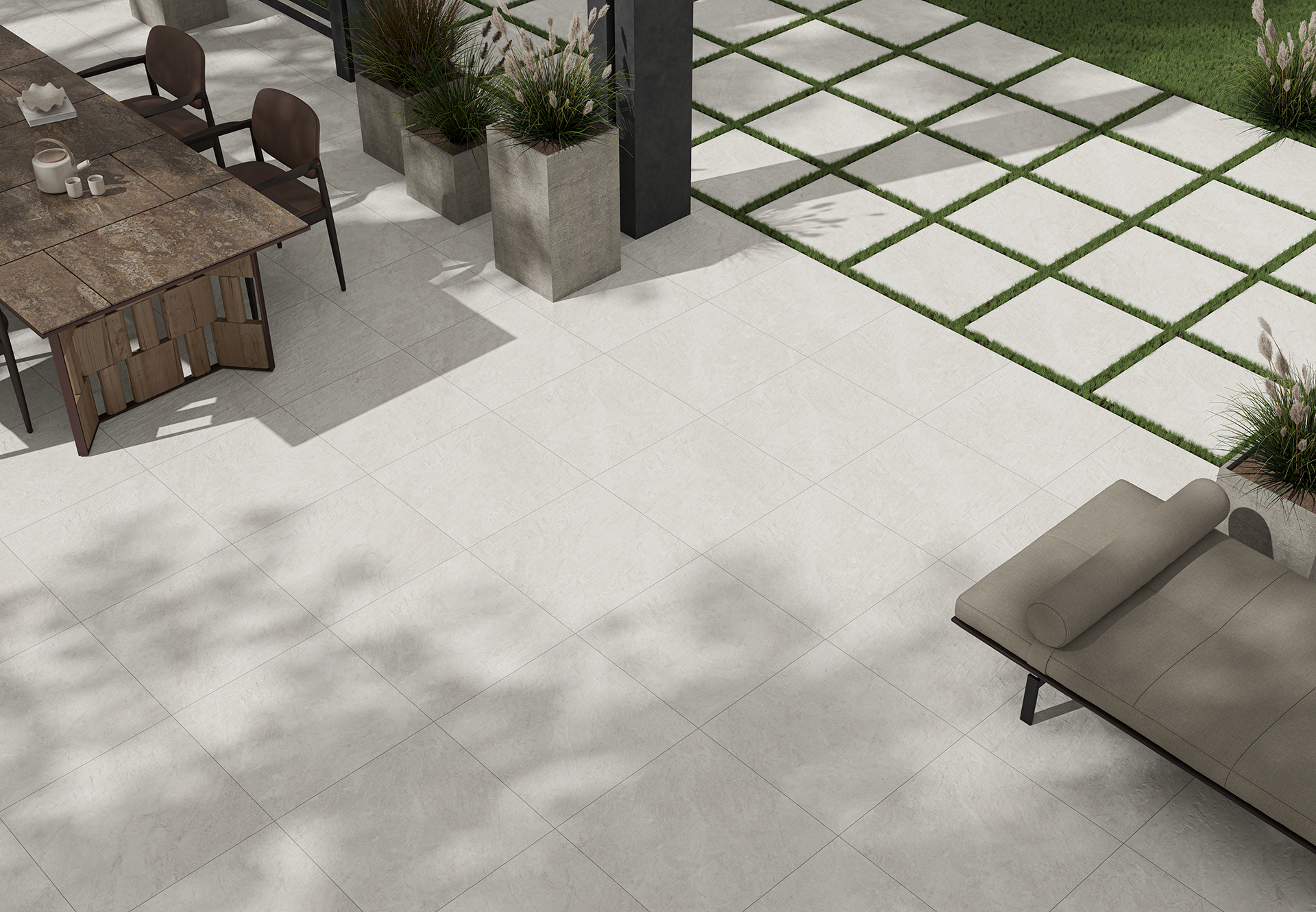
- Outdoor flooring
- High-traffic commercial spaces
- Building facades
- Kitchens and bathrooms
Their durability and moisture resistance make them suitable for areas that experience heavy use.
Best Uses for Vitrified Tiles
Vitrified tiles are commonly used in:
- Residential living rooms
- Bedrooms
- Office interiors
- Indoor flooring
These spaces benefit from the glossy appearance and affordability of vitrified tiles.
Pros and Cons of Porcelain vs Vitrified Tiles
Understanding the advantages and limitations of each tile type can help in making an informed decision.
Porcelain Tile Pros
- Extremely durable
- Low water absorption
- Suitable for outdoor use
- Resistant to scratches and stains
Porcelain Tile Cons
- Higher cost compared to vitrified tiles
Vitrified Tile Pros
- Affordable flooring option
- Smooth and glossy surface
- Easy to maintain
Vitrified Tile Cons
- May be slippery when polished
- Slightly less durable than porcelain tiles in high-traffic areas
Which Tile Is Better: Porcelain or Vitrified?
When comparing porcelain tiles vs vitrified tiles, the best option depends on the specific requirements of the project.
Porcelain tiles are generally better for environments that require durability and water resistance, such as outdoor spaces and commercial areas.
Vitrified tiles, on the other hand, are a practical choice for residential interiors where aesthetic appeal and affordability are important.
Both materials offer excellent performance and design flexibility, making them valuable options for modern flooring solutions.
Antovia Surfaces: A Trusted Name in Modern Surface Solutions
In the modern surface materials industry, reliability and quality are essential when selecting tile products. Antovia Surfaces has built a reputation for offering high-quality surface solutions designed for contemporary architectural and interior design projects.
The brand focuses on providing durable and aesthetically appealing surface materials that meet the evolving demands of modern construction. By combining advanced manufacturing techniques with innovative design concepts, Antovia Surfaces delivers products that offer both performance and style.
With a strong commitment to product quality and design versatility, Antovia Surfaces continues to develop tile collections that enhance residential and commercial environments.
Conclusion
Both porcelain tiles and vitrified tiles offer reliable and stylish flooring solutions for modern interiors. While porcelain tiles provide exceptional durability and water resistance, vitrified tiles offer an affordable option with a polished appearance.
Understanding the key differences between porcelain tiles vs vitrified tiles helps homeowners, architects, and designers select the most suitable material for their projects.
By considering factors such as durability, water resistance, cost, and design preferences, it becomes easier to choose the right tile type for creating attractive and long-lasting interior spaces.
Frequently Asked Questions
1) Are porcelain tiles better than vitrified tiles?
Porcelain tiles are generally more durable and water-resistant, making them suitable for both indoor and outdoor applications.
2) Which tile is more durable?
Porcelain tiles are typically more durable due to their dense structure and high firing temperature.
3) Can vitrified tiles be used outdoors?
Vitrified tiles are usually recommended for indoor applications, while porcelain tiles perform better in outdoor environments.
4) Which tile is best for flooring?
Both porcelain and vitrified tiles can be used for flooring, but porcelain tiles are preferred for areas with heavy foot traffic.